Meeting the Moment: Erica Loewe on Storytelling with Strategy, Credibility, and Owning Your Voice

By: Kamica Price and Elisa O’Halloran

As the communications landscape continues to shift at lightning speed, Washington Women in Public Relations (WWPR) kicked off 2026 by doing what it does best: creating space for conversations and clarity.
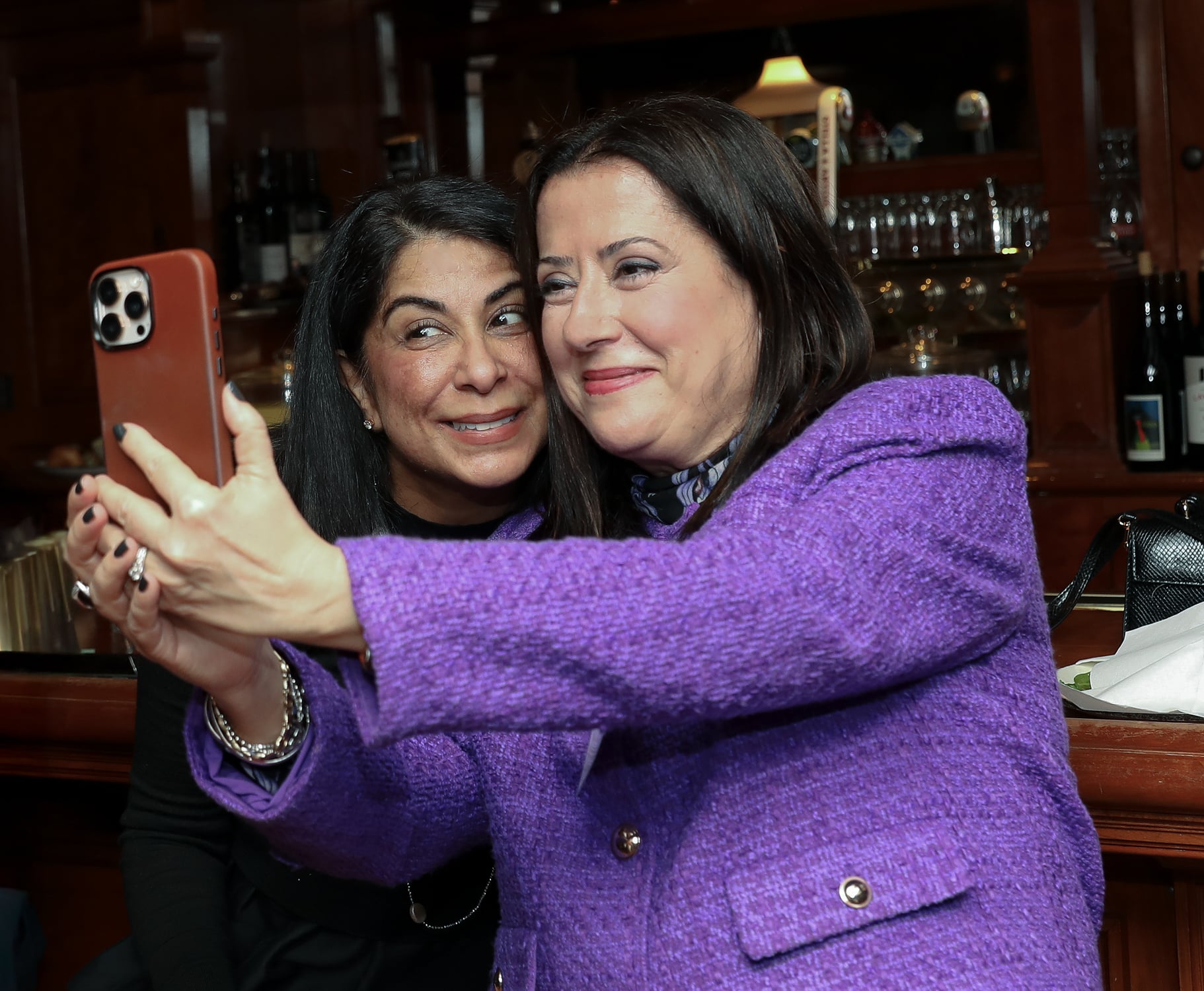
At WWPR’s Annual Meeting Luncheon, members gathered to reflect on a year that challenged traditional communications playbooks and reshaped careers. They forced many women to navigate professional growth alongside deeply personal transitions.

To help set the tone for the year ahead, WWPR welcomed Erica Loewe, an award-winning communications strategist and former senior leader in the Biden-Harris White House, for a candid and powerful conversation.

Storytelling and Strategy
Erica shared how her career spanning media, politics, entertainment, and public engagement taught her that the most effective communications are at the intersection of storytelling and strategy. One without the other simply doesn’t work.
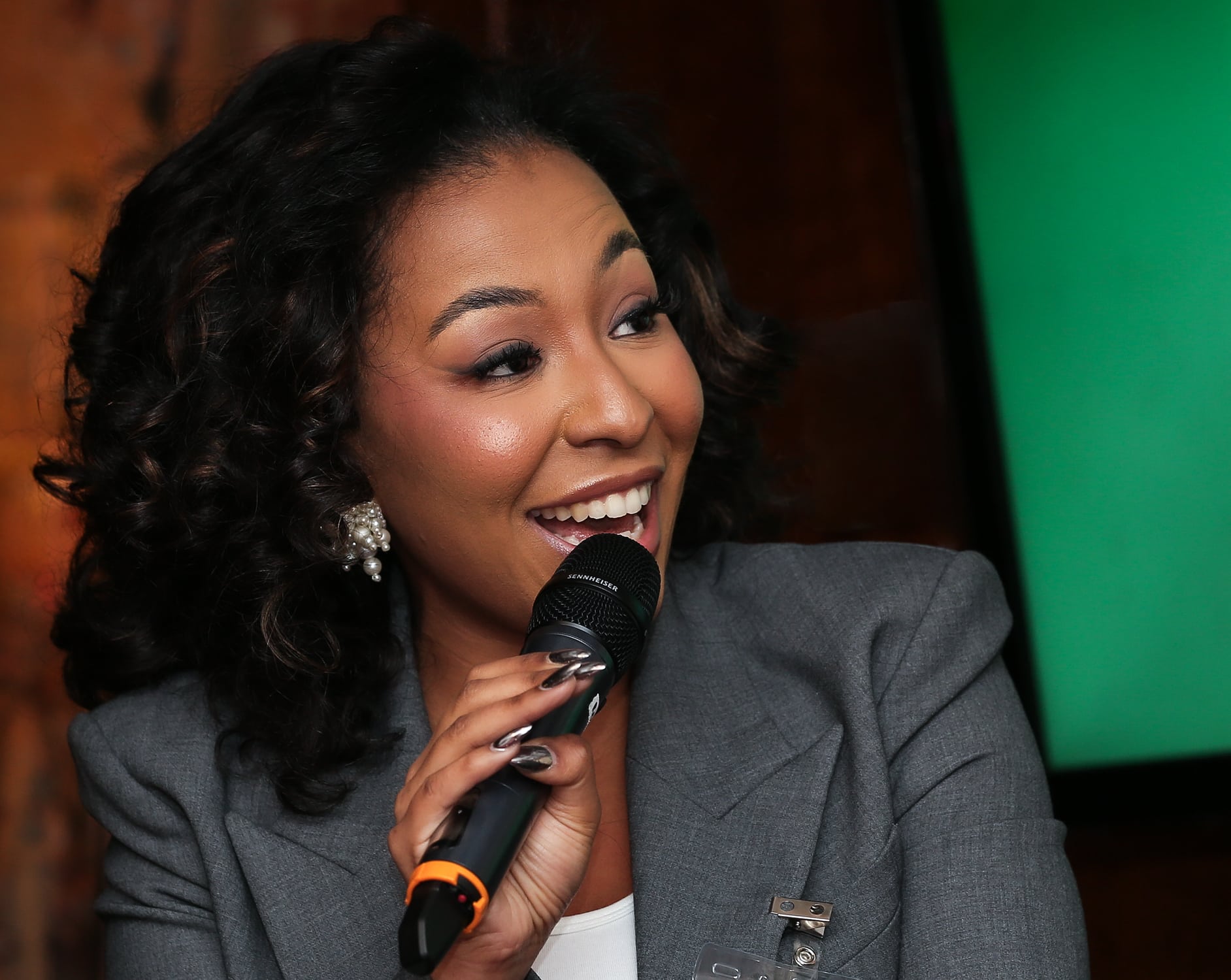
Her time at the White House solidified that lesson: messaging wasn’t just about telling a story, but about ensuring it landed with the right audience, at the right moment, with intention.

Why Washington, DC, Is Different
Calling Washington, DC, an “accountability market,” Erica emphasized that credibility is currency. Reporters are deeply informed, and relationships are built on responsiveness, preparation, and trust. In this environment, vague messaging erodes credibility quickly, and people remember.

Communications in a Shifting Political Climate

Erica didn’t shy away from discussing how political transitions influence communications across all sectors. The government sets the tone, and organizations often adjust their messaging, sometimes quietly, in response. Her advice: leaders must be thoughtful about when to speak, when to pause, and how silence itself can send a message.
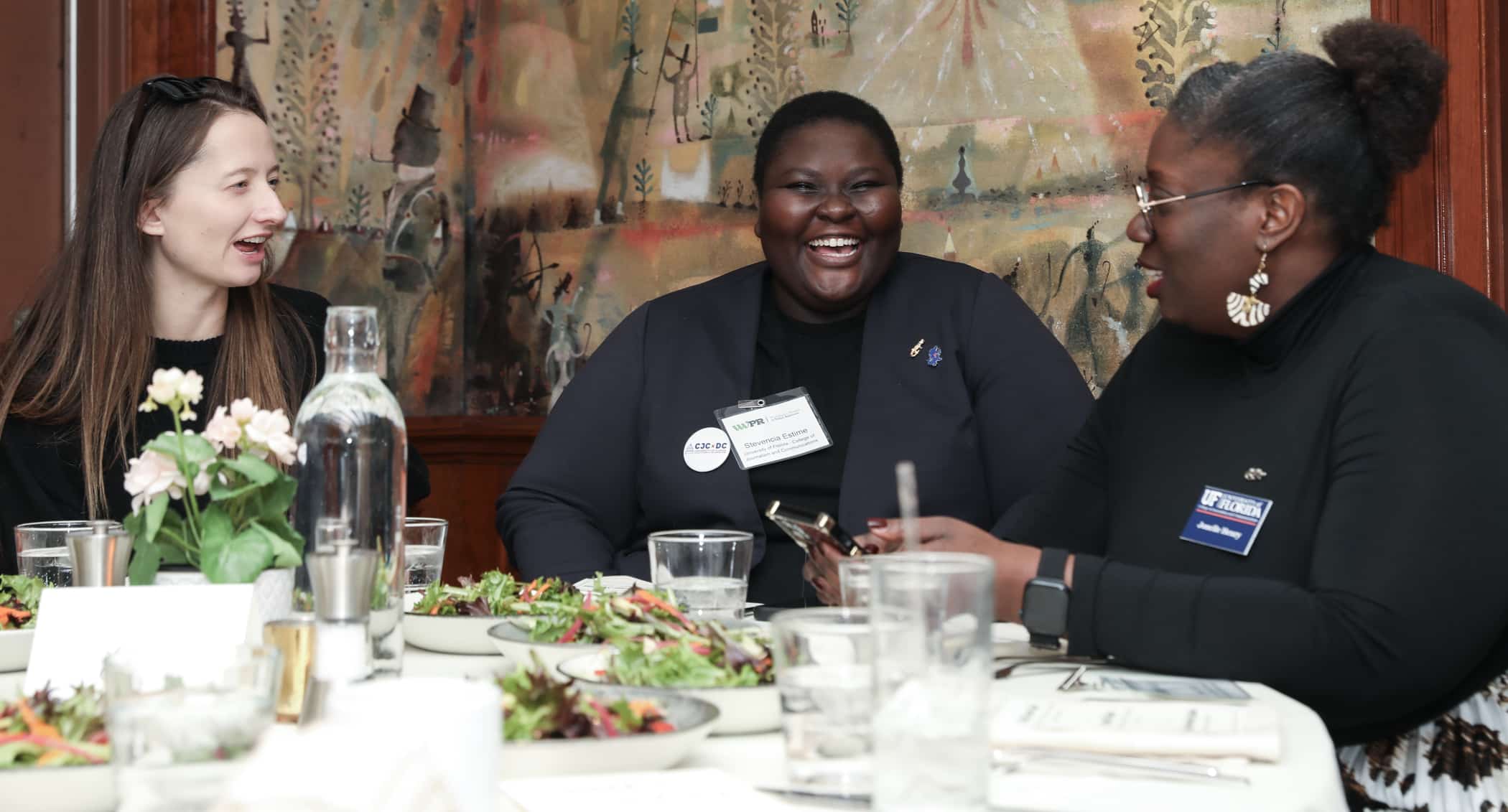
Advice for Women Navigating Communications Careers
From protecting your reputation to practicing restraint, Erica offered practical, honest advice:

● Be visible, but don’t mistake visibility for influence
● Advocate for yourself—even when it’s uncomfortable
● Build trusted peer networks
● Do excellent work and be kind, because people remember both.

Her reminder resonated deeply: many opportunities come not from titles, but from trust built over time.

Looking Ahead
As WWPR moves into 2026, the conversation with Erica Loewe reinforced exactly why community matters—especially in uncertain times. Supporting women means recognizing the realities they’re navigating and using collective influence to create meaningful change.

With purpose, pride, and connection guiding the way, WWPR is ready to meet the moment. Learn how becoming a member allows you to be part of the change across the communications industry.

Images courtesy of James Minichello Photography.
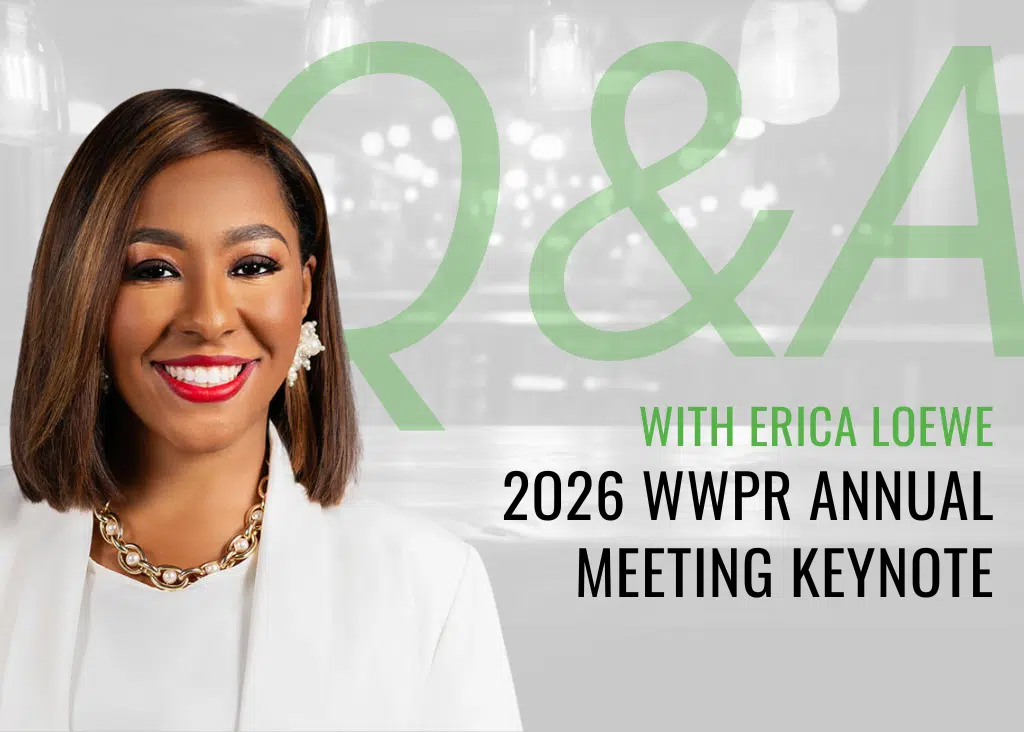
Q&A with WWPR Annual Meeting Keynote Speaker Erica Loewe 

WWPR’s Annual Meeting keynote speaker, Erica Loewe, is a nationally recognized communications strategist. Recognized by The Root 100 as one of the Most Influential Black Americans, Essence Magazine’s Power 40, ColorComm’s 28 Black Women in Communications Making History, the U.S. Black Chamber of Commerce’s 50 Under 40, and the Washington Association of Black Journalists for Excellence in Communications, Erica brings more than a decade of experience at the intersection of media, politics, and entertainment.

In this conversation, Erica shares her perspective on communications in Washington, D.C., navigating challenges, and how women communicators can use our voices and influence for good.

Q&A

Can you share your current role and what a “typical” day looks like for you?

I advise clients across media, tech, politics and philanthropy on communications and social impact strategies. A “typical” day involves more calls than I’d like, managing fast-moving moments, and a lot of reading.

Which communications or leadership accomplishment do you feel made the greatest impact, and what did that experience teach you?

Any opportunity to create access. Some of my proudest moments include bringing Black media outlets to the White House who had never been invited and mentoring younger women finding their professional footing.

Are there any defining moments or projects that shaped your communications or leadership style?

When headlines like “President Biden defunds HBCUs” or “Biden-Harris Administration is Disseminating Crack Pipes” went viral, it became clear that disinformation is now an unavoidable reality. We no longer live in an era where we can rely on journalistic integrity and story corrections to catch up. We have to move faster, push back aggressively, and be proactive with our narrative.

Your career spans media, politics, and social impact. How has navigating those spaces influenced your approach to storytelling and strategy?

It’s made me bilingual. I’ve learned how to speak to audiences and institutions. Strategy without storytelling falls flat and storytelling without strategy is soon forgotten.

What advice would you give to emerging communications professionals?

Dress up. Show up. Never give up. Pull others up. The skills come with time and experience, but what sets you apart is how you show up and treat others. 

In 2024, you were featured in The Sixth, chronicling your experience during January 6th. What was that experience like?

It was deeply personal. Sharing that story was less about reliving the trauma and more about preserving truth. I’m proud to have been part of an Emmy-award-winning project that will shape how history remembers that day because we told it honestly.

How do you define impactful leadership in today’s communications landscape?

Impactful communications leaders know when to respond quickly and when to shut up. Both require thoughtfulness, clarity and restraint. 

In a 24-hour news cycle, what does taking care of yourself look like and how has that changed?

Early in my career, self-care meant pushing through, whether caregiving for my mom with Alzheimer’s or working around the clock. Now it still means those things but with boundaries, rest, and perspective. You can’t pour from an empty cup.

Register now for the WWPR Annual Meeting on Wednesday, January 21 to hear Erica Loewe’s keynote and be part of this important conversation.

Join the Mailing List

Stay connected with WWPR by signing up for our mailing list! You’ll receive the latest updates on professional development events, exclusive networking opportunities, leadership initiatives, and more!