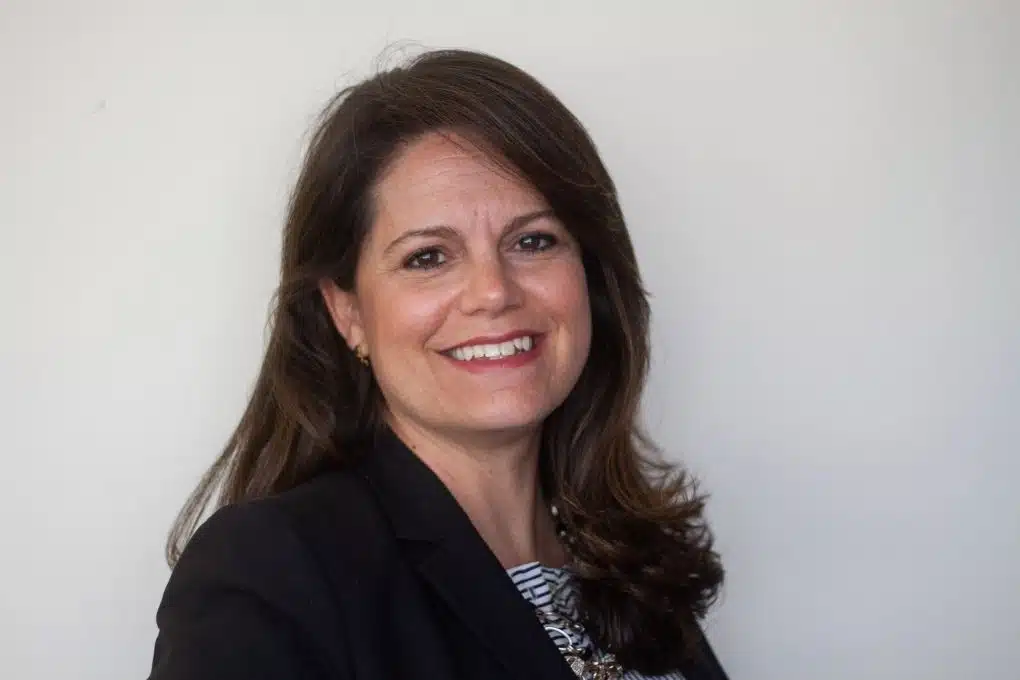
Tara Rabin on Public Service, FDA Communications and Building a New Chapter

By Elisa OHalloran
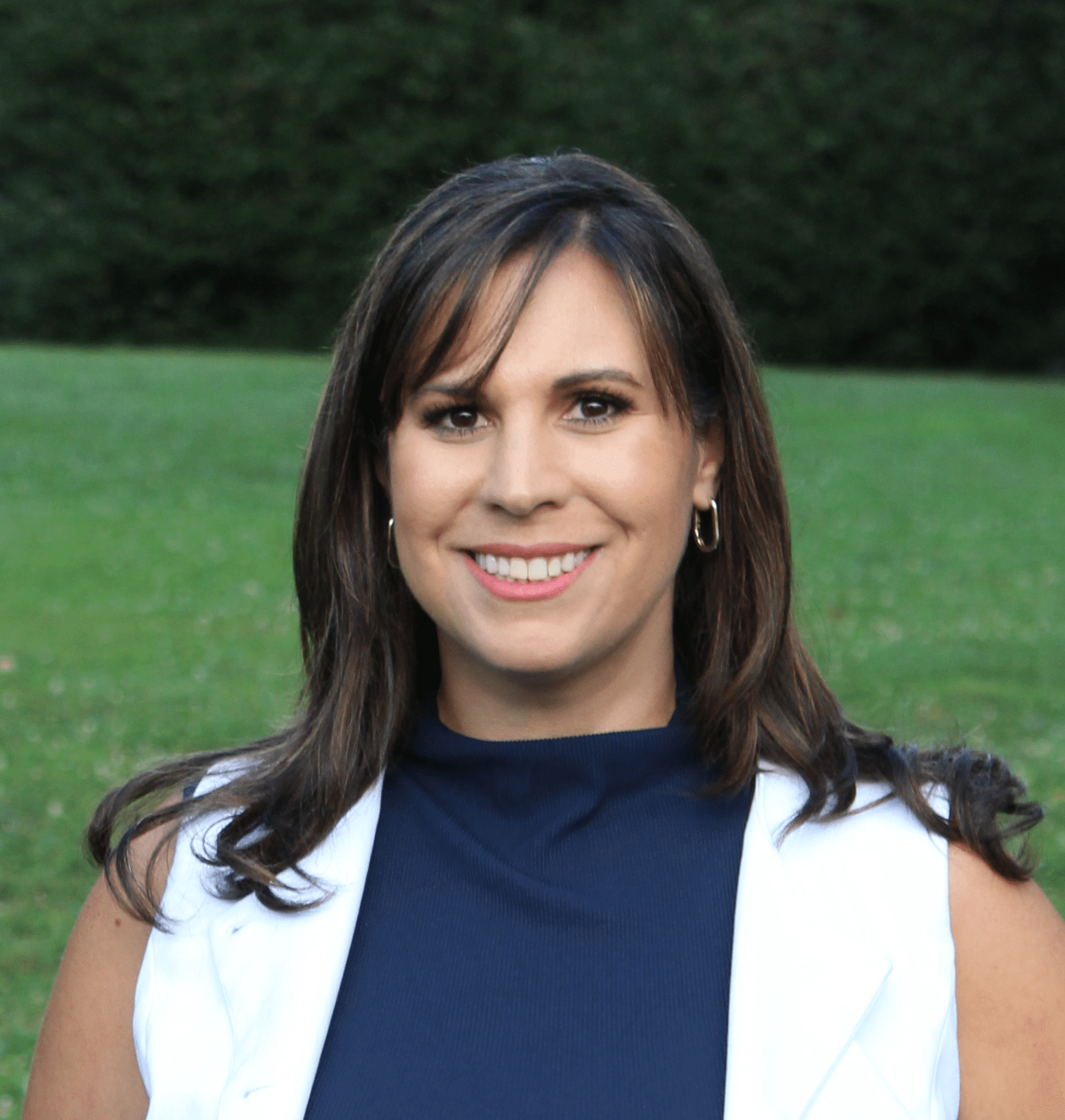
Tell us about yourself and your current position.

I’ve spent my career in communications focused on health, science, and public policy. I studied public relations and political science and began my career at JPA Health Communications, working with healthcare organizations and public affairs clients.

In 2012, I joined the U.S. Food and Drug Administration (FDA) as a press officer and public affairs specialist, supporting communications on major public health issues. After more than a decade at the FDA, I launched Tagline Strategies, a communications consulting firm focused on health, wellness, life sciences, and food industries.

I knew from a very young age that I wanted to work in public communications. I’ve always loved writing and research and I’ve been fortunate to build a career around both.

What drew you to public service and what experience at the FDA had the biggest impact on you professionally?

I’ve always been motivated by communications work that can have a real impact on people’s lives. Public service gave me the opportunity to help people better understand issues that affect their health and the decisions they make.

Some of my most meaningful experiences were also the moments when communications had a direct impact. I worked on major public health issues, including emerging infectious disease responses, the romaine lettuce E. coli outbreak, and the infant formula crisis. Those experiences reinforced how important clear, accurate, and timely communication is when people are looking for answers during moments of uncertainty.

How did you transition from the FDA to starting your own consulting business?

After 12 years at the FDA, my office was eliminated during a reduction in force. It wasn’t a transition I had planned, but my professional network played a major role in what came next. The relationships I had built over the years opened doors and ultimately helped give me the confidence to launch Tagline Strategies.

Today, we help organizations navigate complex public health, policy, and regulatory communications challenges.

What services does Tagline Strategies provide ?

Tagline Strategies works with organizations operating in highly regulated and closely watched industries, particularly health, life sciences, biotechnology, pharmaceuticals, and food.

We provide communications and advocacy strategy, media relations, reputation and issues management, crisis response, message development and positioning, thought leadership, policy and legislative communications strategy, and FDA and U.S. government engagement.

What sets us apart is our experience working inside government and communicating some of its most complex and closely watched decisions. We understand the science and regulatory environment behind an issue as well as the communications surrounding it. Marrying those three things gives us a very unique vantage point.

What advice would you give professionals facing career transitions?

Stay connected and invest in relationships before you need them. When I unexpectedly found myself making a career transition, the network I had built over many years became incredibly important. Who you know and how you connect can lead to critical opportunities.

I’d also encourage people to keep developing their expertise. Know what you do especially well, stay current in your field, and build a specialty that sets you apart.

What’s next for you and your business?

I want to keep growing Tagline Strategies and work with people who share our commitment to public health. I’m also excited to bring more talented communicators into the work as we grow.

On a personal note, I’m grateful to be building something that lets me continue doing work I care about while having flexibility for my family. It’s a new chapter and I’m excited to see where it goes!
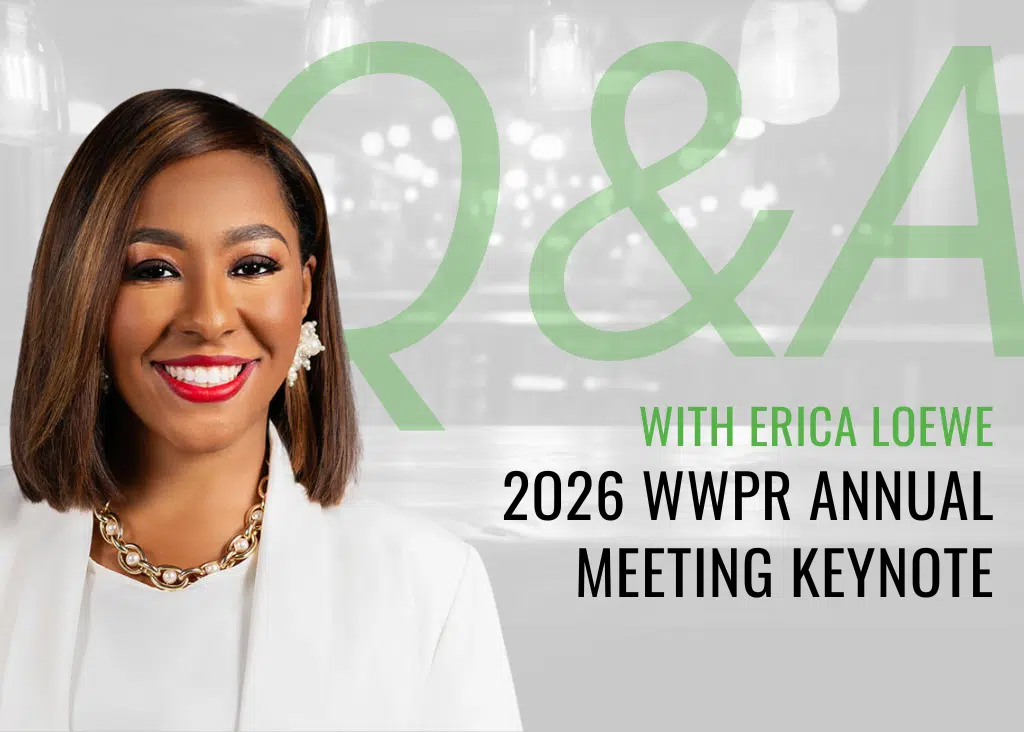

Q&A with WWPR Annual Meeting Keynote Speaker Erica Loewe 

WWPR’s Annual Meeting keynote speaker, Erica Loewe, is a nationally recognized communications strategist. Recognized by The Root 100 as one of the Most Influential Black Americans, Essence Magazine’s Power 40, ColorComm’s 28 Black Women in Communications Making History, the U.S. Black Chamber of Commerce’s 50 Under 40, and the Washington Association of Black Journalists for Excellence in Communications, Erica brings more than a decade of experience at the intersection of media, politics, and entertainment.

In this conversation, Erica shares her perspective on communications in Washington, D.C., navigating challenges, and how women communicators can use our voices and influence for good.

Q&A

Can you share your current role and what a “typical” day looks like for you?

I advise clients across media, tech, politics and philanthropy on communications and social impact strategies. A “typical” day involves more calls than I’d like, managing fast-moving moments, and a lot of reading.

Which communications or leadership accomplishment do you feel made the greatest impact, and what did that experience teach you?

Any opportunity to create access. Some of my proudest moments include bringing Black media outlets to the White House who had never been invited and mentoring younger women finding their professional footing.

Are there any defining moments or projects that shaped your communications or leadership style?

When headlines like “President Biden defunds HBCUs” or “Biden-Harris Administration is Disseminating Crack Pipes” went viral, it became clear that disinformation is now an unavoidable reality. We no longer live in an era where we can rely on journalistic integrity and story corrections to catch up. We have to move faster, push back aggressively, and be proactive with our narrative.

Your career spans media, politics, and social impact. How has navigating those spaces influenced your approach to storytelling and strategy?

It’s made me bilingual. I’ve learned how to speak to audiences and institutions. Strategy without storytelling falls flat and storytelling without strategy is soon forgotten.

What advice would you give to emerging communications professionals?

Dress up. Show up. Never give up. Pull others up. The skills come with time and experience, but what sets you apart is how you show up and treat others. 

In 2024, you were featured in The Sixth, chronicling your experience during January 6th. What was that experience like?

It was deeply personal. Sharing that story was less about reliving the trauma and more about preserving truth. I’m proud to have been part of an Emmy-award-winning project that will shape how history remembers that day because we told it honestly.

How do you define impactful leadership in today’s communications landscape?

Impactful communications leaders know when to respond quickly and when to shut up. Both require thoughtfulness, clarity and restraint. 

In a 24-hour news cycle, what does taking care of yourself look like and how has that changed?

Early in my career, self-care meant pushing through, whether caregiving for my mom with Alzheimer’s or working around the clock. Now it still means those things but with boundaries, rest, and perspective. You can’t pour from an empty cup.

Register now for the WWPR Annual Meeting on Wednesday, January 21 to hear Erica Loewe’s keynote and be part of this important conversation.

Meet Our 2026-2027 Pro Bono Client: Community Bridges

WWPR is thrilled to announce Community Bridges as our pro bono client for 2026-2027. After reviewing 34 applications from exceptional organizations across the DMV area, Community Bridges stood out for its transformational impact, strategic readiness, and powerful untold stories.

EMPOWERING THE NEXT GENERATION OF LEADERS

Community Bridges empowers girls from under-resourced communities in Montgomery County, Maryland, to become resilient young women who thrive as students, engaged community members, and confident leaders. Through year-round leadership development, academic support, and college readiness programming, they serve girls in grades 4-12, often helping a single girl for more than 10 years.

Their outcomes speak for themselves: last year, 100% of Community Bridges’ high school seniors graduated and enrolled in college. They are eager to work with the experts in WWPR’s membership to strengthen their reach and visibility.

“We believe that with WWPR’s guidance and expertise, we can expand our reach, strengthen our communications capacity, and inspire broader community engagement,” said Shannon Babe-Thomas, Executive Director of Community Bridges. “Ultimately, we want to enable more girls and families to benefit from our programs.”

WHY COMMUNITY BRIDGES

The WWPR Pro Bono & Social Impact Committee, co-chaired by Christina Crawley and Alicia Aebersold, selected Community Bridges after a rigorous evaluation process that included a deep assessment of organizational capacity, impact potential, and execution readiness.

“Community Bridges has the perfect combination of compelling stories to tell and the infrastructure to implement strategic communications,” said Crawley. “They’ve built an incredible program with proven results. Now we get to help them amplify those stories to attract new supporters, strengthen partnerships, and expand their reach.”

Community Bridges already has strong foundations in place—including a signature annual gala that raises $100K, active social media channels, and established partnerships with organizations like Wells Fargo and Montgomery County Public Schools. WWPR’s support will help them scale strategically through media training, storytelling frameworks, and capacity-building guidance.

A NEW WAY TO SERVE: THE WWPR NONPROFIT COMMUNICATIONS TOOLKIT

The competitive selection process for our new pro bono client revealed something important: dozens of worthy organizations need communications expertise, but we only have one slot for a pro bono client. 

That’s why the WWPR Pro Bono Committee is launching a new initiative in early 2026: the WWPR Nonprofit Communications Toolkit. This program will provide free educational resources—including one-page guides, expert Q&As, and potentially webinars—available to any nonprofit in the DMV area.

The Toolkit will allow WWPR to share its expertise more widely while creating opportunities for more members to contribute.

GET INVOLVED

WWPR members interested in supporting Community Bridges or contributing to the Toolkit initiative can join the Pro Bono & Social Impact Committee email list by contacting Christina Crawley or Alicia Aebersold. Opportunities will include everything from media training and messaging support to creating educational resources for the nonprofit community.

We’ll share more details about the partnership kickoff and Toolkit launch very soon. In the meantime, we invite you to learn more about Community Bridges at communitybridges-md.org.

Here’s to two years of empowering young women to lead!


ABOUT WWPR’S PRO BONO & SOCIAL IMPACT PROGRAM

Since 2003, Washington Women in Public Relations has partnered with nonprofit organizations to provide strategic communications support, capacity building, and expertise. The program reflects WWPR’s commitment to strengthening our community while providing members with meaningful opportunities to give back through their professional skills.

CONTACT:

Christina Crawley, Pro Bono & Social Impact Committee Co-Chair

Alicia Aebersold, Pro Bono & Social Impact Committee Co-Chairprobono@wwpr.org

Washington Women in Public Relations Announces Community Bridges as 2026-2027 Pro Bono Client

DMV Organization Empowering Girls to Break Cycles of Poverty Through Education Selected from Competitive Field of 34 Applicants

WASHINGTON, D.C. – Washington Women in Public Relations (WWPR) today announced Community Bridges as its pro bono client for 2026-2027. The Montgomery County, Maryland-based nonprofit empowers girls from under-resourced communities to become resilient young women who thrive as students, engaged community members, and confident leaders.

Community Bridges was selected from a competitive field of 34 applications following a rigorous evaluation process that assessed organizational capacity, impact potential, and execution readiness. The organization serves girls in grades 4-12 through year-round leadership development, academic support, and college readiness programming, last year achieving a 100% graduation and college enrollment rate for high school seniors.

“Community Bridges has the perfect combination of compelling stories to tell and the infrastructure to implement strategic communications support,” said Charmaine Riley, President of WWPR. “They’ve built an incredible program with proven results, and their mission of transforming the lives of young women through education and leadership development aligns deeply with WWPR’s values. We’re excited to help them amplify their stories to attract new supporters, strengthen partnerships, and ultimately serve even more young women.”

Over the next two years, WWPR volunteer members will provide strategic communications guidance and support to help Community Bridges expand its reach and visibility.

“We are thrilled and honored to be selected as WWPR’s pro bono client,” said Shannon Babe-Thomas, Executive Director of Community Bridges. “We believe that with WWPR’s guidance and expertise, we can expand our reach, strengthen our communications capacity, and inspire broader community engagement. Ultimately, we want to enable more girls and families to benefit from our programs and help elevate the narrative around what’s possible for young women from under-resourced communities.”

The pro bono partnership model provides comprehensive communications support crafted to meet the goals the client identifies, which may include everything from strategic planning to support with media relations or social media. WWPR members volunteer their time and expertise to build long-term communications capacity within the client organization.

Community Bridges joins a distinguished group of nonprofits WWPR has supported through its pro bono program, including Running Start (2024-2025), New Endeavors by Women (2022-2023), Academy of Hope (2020-2021), Sitar Arts Center (2018-2019), Bright Beginnings Inc. (2015-2017), and others dating back to 2003.

The partnership officially launches this month (January 2026).

About Community Bridges

Community Bridges empowers girls from under-resourced communities to become resilient young women who thrive as students, engaged community members, and confident leaders. Through integrated 4th through 12th grade programs, Community Bridges supports girls and their families living at or below the poverty level in Montgomery County, Maryland, using a holistic, long-term approach that addresses developmental needs and breaks cycles of poverty through education. For more information, visit communitybridges-md.org.

About Washington Women in Public Relations

Washington Women in Public Relations (WWPR) is a member-based professional society cultivating and inspiring female communicators to reach their full potential in the DC market and beyond. The organization is committed to providing leadership opportunities, professional development, mentorship, and industry networking. For more information about WWPR and its pro bono program, visit wwpr.org.

###

Author and AI: The Perfect Pair for Advocacy Communications

By LeAnne DeFrancesco, vice president at Vanguard Communications

When I joined my company’s AI Task Force in early 2024, I knew I was going to be the skeptic on the team. I had an open mind about AI tools for other tasks, but for writing? I was not enthused, mostly because I assumed AI outputs would be stale, cold and only tell half the story.

To me, writing is a sacred process that not just anyone can do. You may learn technique and pick up style, but I still believe that people are born with a storytelling brain, or they aren’t. They know how to thread together thoughtful content that keeps readers interested, or they don’t. They can put themselves in the shoes of their audiences and deliver what they need to know and care about, or they can’t.

So to ask a machine to create a very original, nuanced piece of content seemed ludicrous.

At the same time, I saw — like everyone else did — the media headlines that gave me pause:

Dynamic Duo

The more I researched, read, talked to colleagues and consulted with peers about how they use AI to help them generate ideas or be a sounding board for their content, the more my stance on AI softened. Particularly in an industry with unforgiving deadlines and late-breaking curveballs, if AI could help me deliver for my boss or my clients by providing small, research-y shortcuts — without being dishonest or misleading — why not give it a go?

The same is true in advocacy communications. More often than not, probably, staff at advocacy organizations are stretched. There is a lot to do, to develop, in a short window of time. Breaking news on their issue changes their day in an instant. Response time must be quick, yet messaging must be on point. They need shortcuts without sacrificing the message.

If your goal is to change people’s hearts and minds about something, it’s not enough to just deliver the facts and summarize, which is what AI is good at. You need context, emotion and a personal story. You need impact, examples and turns of phrase that resonate with people. You might need humor, you might need shock. This is what humans are good at.

So really, combining robot with writer (or AI with author) is a perfect coupling.

Don’t Be Talked Into Breaking Up

There have been many threads on social media, blogs and podcasts pitting writers against AI. But in my view, there is no fight here, as long as leaders know how to use AI ethically and provide guidance for their employees to do the same.  

  • AI is good at some things, like searching online information quickly, and should be embraced for that quality. It can be clutch.
  • Humans are good at other things, like providing the “color commentary” around issues and making things personal, relatable and memorable.

Writing is indeed an art, and AI is a science. A tool. A technology that can help us get to our beautiful prose and thoughtful executions more quickly.

Which for those of us in PR and in advocacy communications, sounds dreamy.

LeAnne DeFrancesco is a vice president at Vanguard Communications in Washington, D.C., where she leads the firm’s Design and Editorial practice. She joined WWPR’s Pro Bono Committee in 2018, where she has helped several D.C.-based organizations enhance their PR and communications activities.

Join the Mailing List

Stay connected with WWPR by signing up for our mailing list! You’ll receive the latest updates on professional development events, exclusive networking opportunities, leadership initiatives, and more!

Our Sponsors