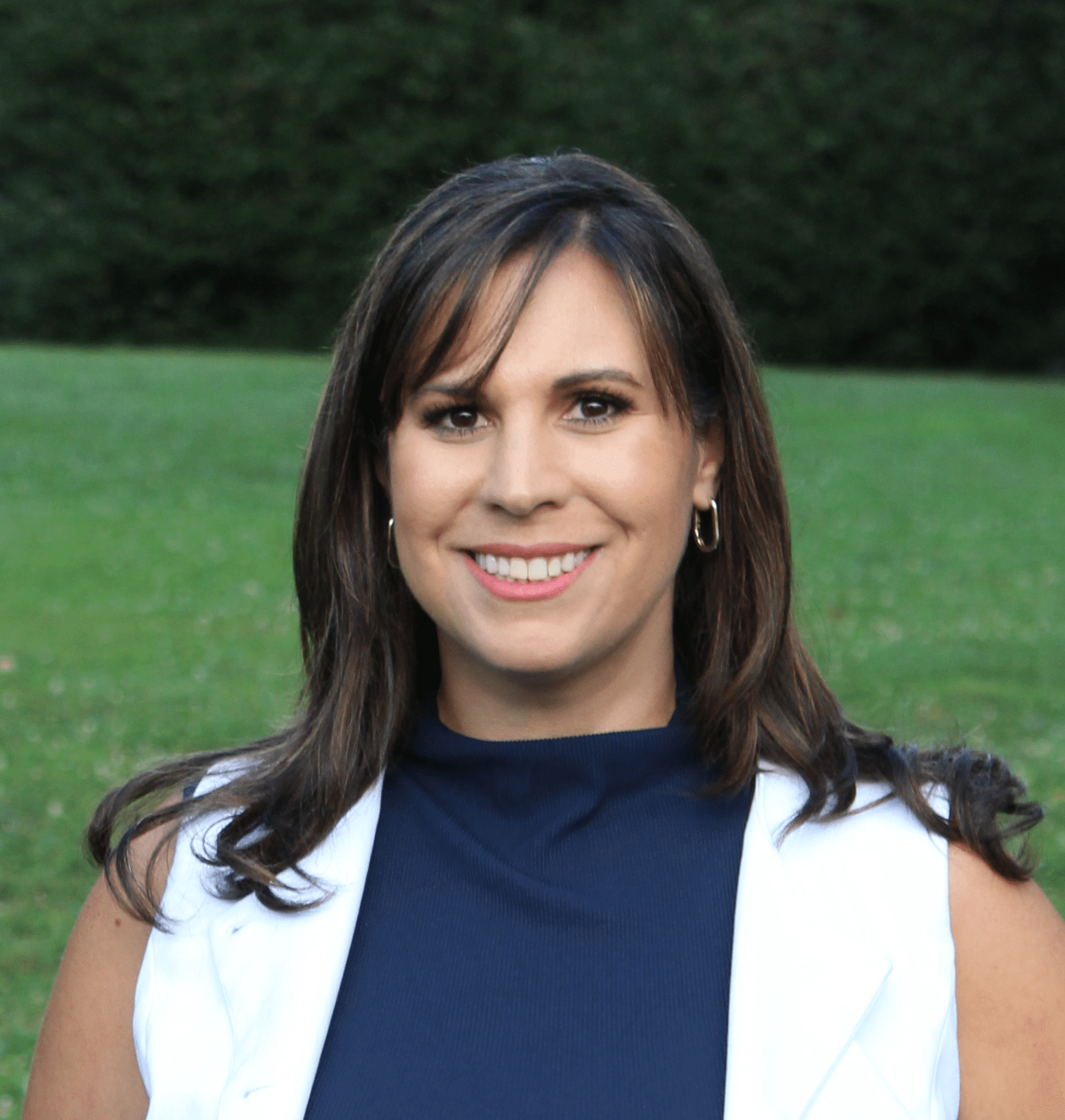
I’ve spent my career in communications focused on health, science, and public policy. I studied public relations and political science and began my career at JPA Health Communications, working with healthcare organizations and public affairs clients.
In 2012, I joined the U.S. Food and Drug Administration (FDA) as a press officer and public affairs specialist, supporting communications on major public health issues. After more than a decade at the FDA, I launched Tagline Strategies, a communications consulting firm focused on health, wellness, life sciences, and food industries.
I knew from a very young age that I wanted to work in public communications. I’ve always loved writing and research and I’ve been fortunate to build a career around both.
What drew you to public service and what experience at the FDA had the biggest impact on you professionally?
I’ve always been motivated by communications work that can have a real impact on people’s lives. Public service gave me the opportunity to help people better understand issues that affect their health and the decisions they make.
Some of my most meaningful experiences were also the moments when communications had a direct impact. I worked on major public health issues, including emerging infectious disease responses, the romaine lettuce E. coli outbreak, and the infant formula crisis. Those experiences reinforced how important clear, accurate, and timely communication is when people are looking for answers during moments of uncertainty.
How did you transition from the FDA to starting your own consulting business?
After 12 years at the FDA, my office was eliminated during a reduction in force. It wasn’t a transition I had planned, but my professional network played a major role in what came next. The relationships I had built over the years opened doors and ultimately helped give me the confidence to launch Tagline Strategies.
Today, we help organizations navigate complex public health, policy, and regulatory communications challenges.
What services does Tagline Strategies provide ?
Tagline Strategies works with organizations operating in highly regulated and closely watched industries, particularly health, life sciences, biotechnology, pharmaceuticals, and food.
We provide communications and advocacy strategy, media relations, reputation and issues management, crisis response, message development and positioning, thought leadership, policy and legislative communications strategy, and FDA and U.S. government engagement.
What sets us apart is our experience working inside government and communicating some of its most complex and closely watched decisions. We understand the science and regulatory environment behind an issue as well as the communications surrounding it. Marrying those three things gives us a very unique vantage point.
What advice would you give professionals facing career transitions?
Stay connected and invest in relationships before you need them. When I unexpectedly found myself making a career transition, the network I had built over many years became incredibly important. Who you know and how you connect can lead to critical opportunities.
I’d also encourage people to keep developing their expertise. Know what you do especially well, stay current in your field, and build a specialty that sets you apart.
What’s next for you and your business?
I want to keep growing Tagline Strategies and work with people who share our commitment to public health. I’m also excited to bring more talented communicators into the work as we grow.
On a personal note, I’m grateful to be building something that lets me continue doing work I care about while having flexibility for my family. It’s a new chapter and I’m excited to see where it goes!
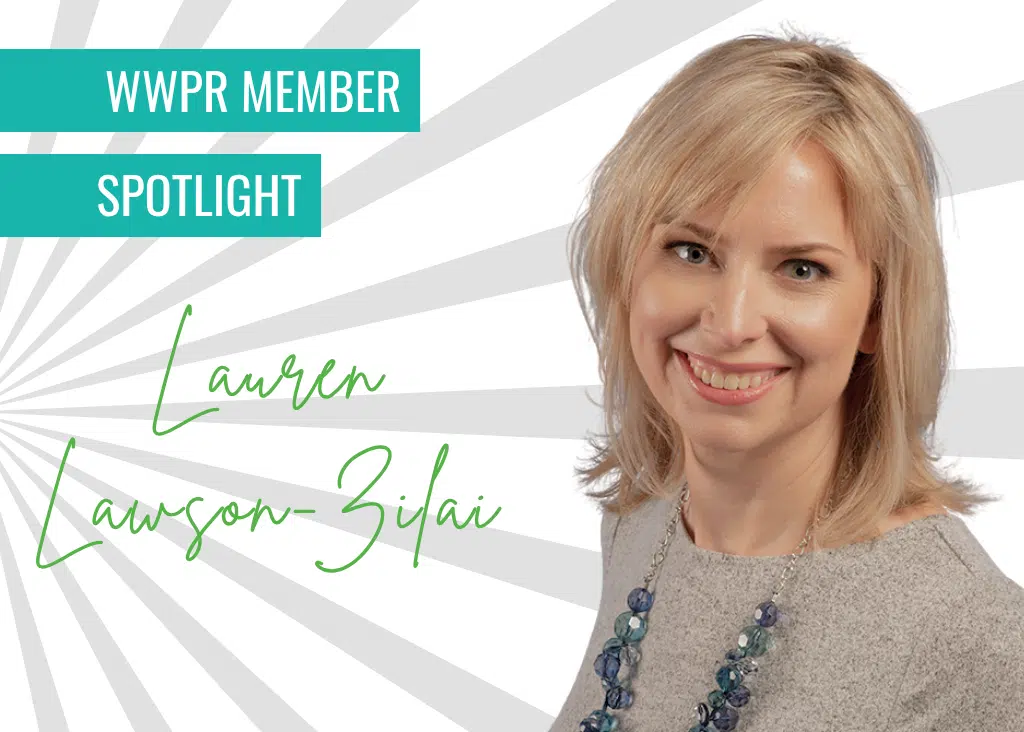
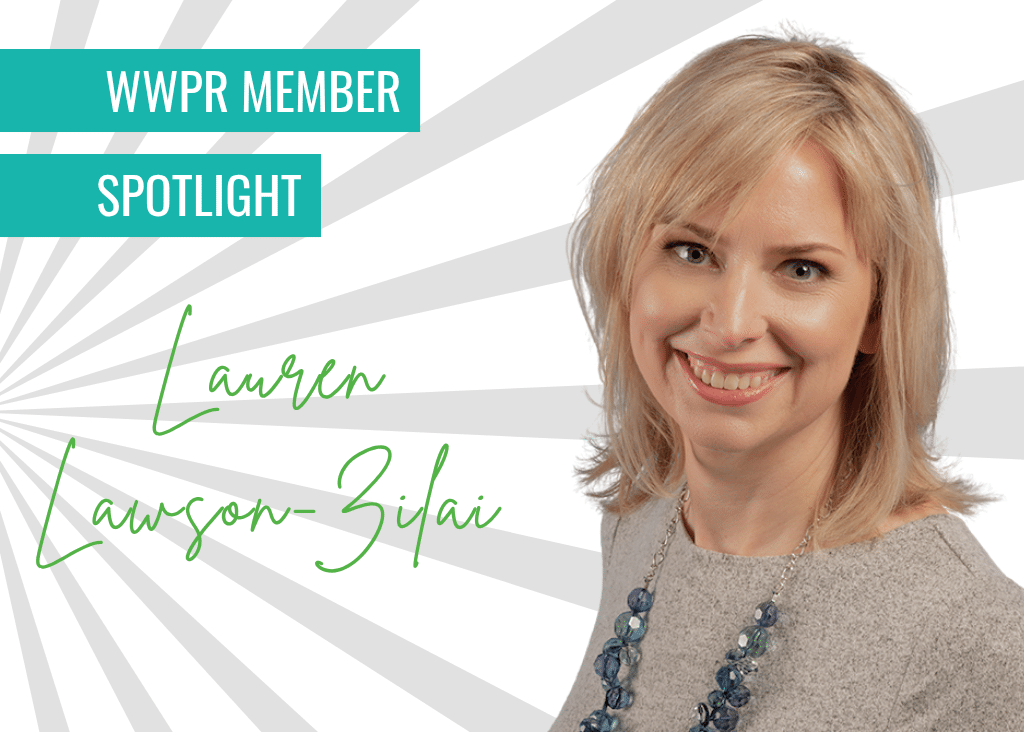
Tell us about your background and what led you to your current role. What first drew you to public relations and communications?
I’ve spent more than two decades building a career dedicated to social change and purposeful communications. My career originally started in publishing in New York, working on book publicity (think “Bridget Jones Diary”). This is where I first saw the power of media to elevate a product and the perception that often exists between the author’s vision and what the market wants. But a few months into that first job, I remember feeling unfulfilled. The community service ethic instilled in me wasn’t showing up professionally and volunteering on the weekend wasn’t enough to fill the gap. I knew I needed to pivot toward nonprofit work even when family cautioned me that “nonprofit equals no money.”
Seeing 9/11 firsthand as a New York resident was a turning point. It crystallized my need to be doing something that ignited real purpose rather than selling a product. I moved from New York to Washington, D.C., since it was the capital of nonprofits and associations, and I committed myself fully to working for a cause. Through networking, joining organizations like WWPR and sheer persistence, I built a path forward. My first role at the Children’s Defense Fund came through Kate Perrin (WWPR’s first PR Woman of the Year chair) and her company, PRofessional Solutions, LLC, formerly the only PR staffing agency in the D.C. area. I also believe my time chairing two pro bono committees for WWPR gave me the foundation for nonprofit work and ultimately helped me land a role leading the PR and communications team for Goodwill Industries International, one of the top five leading nonprofits in the country and the leading nonprofit workforce provider.
I spent 15 years at Goodwill and grew into senior leadership, ultimately serving as a national spokesperson. There, I oversaw large-scale communications strategies, led crisis response, built national campaigns and helped position the organization and its leadership as influential voices on workforce development and economic opportunity. More recently, I’ve held senior roles at Shatterproof and the National Head Start Association, where I led national media and communications strategies on issues ranging from addiction to early childhood education often during high-stakes, high-visibility moments.
Today, I’m the Founder and Principal of Zeal Communications where I advise mission-driven organizations and individuals on how to clarify their voice, tell more compelling stories and navigate complex communications challenges. That same ethos stays with me as I represent nonprofits and associations as well as entrepreneurs and authors who are genuinely impacting people’s lives.
What first drew me to public relations and communications was storytelling; specifically, the ability to take complex, often overlooked issues and turn them into narratives that people understand, care about and act on. Early on, I realized PR wasn’t just about promotion; it was about influence. It was about shaping conversations, elevating voices, changing perceptions and ultimately driving change. The throughline of my career has been to use strategic, purpose-driven communications to increase awareness and visibility but ultimately make a meaningful impact.
What has been one of the most exciting or rewarding projects in your career so far?
One of the most exciting and rewarding projects of my career was developing and launching Rising Together™ at Goodwill Industries International. It was a unique initiative designed to equip one million people with sustainable careers by 2025, and we secured partnerships with global philanthropic partners and Fortune 50 companies including, Bank of America, Coursera, Indeed, Google and Lyft. To see that kind of measurable, human impact tied directly to a communications campaign is why I do this work. It also resulted in an award from PRSA NCC.
On a personal level, serving as President of WWPR and Founder of the Emerging Leaders Awards was one of the most meaningful chapters of my career, allowing me to create lasting opportunities for women to be recognized, supported and inspired. Additionally, serving as President of PRSA NCC was significant because it came at a particularly challenging time, at the height of the COVID-19 pandemic. I had a long record of service with the chapter before taking the helm as vice president, assembly delegate, Chair of the Hall of Fame and Thoth Awards Gala and as co-chair of the PRSA International Conference Gala. Serving as President of the largest chapter in North America was one of the most personally rewarding leadership experiences of my career. I guided the strategic direction of a team of 40-plus, including the Board of Directors, Executive Committee and Committee Chairs. Among the accomplishments I’m most proud of were launching monthly virtual coffee chats to foster inclusiveness and networking, introducing a quarterly “DEI: Amplify Diverse Voices” series to recognize and celebrate diverse PR professionals and revamping the chapter website. On the business side, we increased revenue for professional development by 20% over two years, raised $23,000 for the chapter — exceeding our year-over-year goal by 15% and up 60% from two years prior — and secured the largest chapter sponsor in history, Amazon, at $10,000. We also developed and launched a virtual signature awards program that raised an additional $8,500. The signature awards program is the first to be held virtually to date. That time was especially meaningful and challenging as I was technically leading two full-time positions while navigating the COVID-era and managing a young child Zoom schooling at home. It showed me what I am capable of navigating. I was also grateful to be surrounded by a wonderful team, including a few WWPR members.
What advice would you give to women looking to grow in their careers or get involved in WWPR?
My first piece of advice is don’t wait until you feel ready. I didn’t have a perfectly mapped-out plan when I made the pivot from publishing to nonprofit work. What I had was clarity about what mattered to me and the willingness to act on it. Purpose has to lead. The rest will follow.
As far as advice for women looking to grow their careers, I recommend:
Get cross-functional early. One of the most valuable things you can do for your career is to stop thinking of communications as a department and start thinking of it as connective tissue across an organization. At Goodwill, my team operated in a deeply cross-functional way. We had heavy collaboration and alignment meetings built into our workflow because the work demanded it. When you understand how your colleagues in programs, finance, policy and operations think, you become a far more strategic communicator. Seek out those relationships intentionally, especially early in your career.
Build systems. Anyone can execute a one-off project. What separates good communicators from great ones is the ability to build infrastructure that outlasts them such as a story bank, a spokesperson cabinet, a campaign platform that can be activated again and again. Every time I’ve invested in building a reusable system rather than a single deliverable, it has multiplied the impact of everything that followed. Think about what you’re leaving behind, not just what you’re launching.
Establish boundaries early and protect your time. Learn to say no to opportunities that don’t align with your goals and be intentional about where you invest your energy. Boundaries allow you to show up fully for the work and relationships that truly matter to your growth.
Lead with the human story. Before the institutional message, before the statistics, before the talking points — find the person. Every campaign I’m proudest of started with a human narrative. That is what moves people to act, give, vote, hire or change minds. It sounds simple, but the discipline of putting the story first every time is something you have to practice and protect deliberately, especially inside large organizations that want to lead with data.
Invest in being spokesperson-ready for yourself and for others. I’ve spent most of my career as a national spokesperson, and that experience changed how I think about message discipline, staying calm under pressure and knowing when to speak or stay silent. Even if you never plan to be on camera, developing those instincts makes you a better strategist, a better counselor to leadership and a better advocate for your organization. And when you do prepare others for media, you’ll know exactly what they need because you’ve lived it.
Measure what matters. I’ve always pushed my teams to connect our communications work to real outcomes such as legislation affected, perceptions shifted, people placed in jobs or communities reached. When you tie your work to results that the organization actually cares about, you earn a seat at the leadership table. That discipline also makes you a better advocate for your own budget, your own team and your own value.
Get comfortable with complexity. Some of the most important work in this field happens inside decentralized environments — national headquarters working alongside independent local organizations, each with their own cultures and priorities. My time at Goodwill and Head Start taught me to build tools and strategies that can be adapted without losing their integrity. Embrace that complexity rather than fighting it. It will make you more versatile and more valuable.
Build your network intentionally. Join localized or specialized networking groups to share experiences, gain perspective, uncover unlisted opportunities and build a cabinet of your supporters. That is why WWPR is so important as it’s a community of women so willing to help one another and life each other up.
Advocate for yourself. You are your own biggest proponent. Document your successes, measure the impact of your work and confidently articulate the value you bring to a brand, organization or agency. Don’t expect your work to speak for itself.
Develop core competencies. Move beyond just pitching. Focus on cultivating strengths in executive communication, crisis management, client relations and data measurement.
Seek out mentorship. While you need a sponsor internally at your employer, you also need a mentor. Connect with senior female communicators who have navigated agency life, in-house dynamics and career pivots.
Set yourself up for success. When you are interviewing for a job, ensure that the organization has the support, resources and infrastructure to set you up for success in your role.
And join WWPR. The WWPR community is one of the most nurturing, supportive and genuinely helpful professional communities I have ever been part of. It is intimate in the best possible way as you are not a name tag at a conference and people are always willing to go the extra mile to support you. I was so privileged to be a part of it and to serve as president and on the Advisory Council. The relationships I formed there have sustained me through every transition.
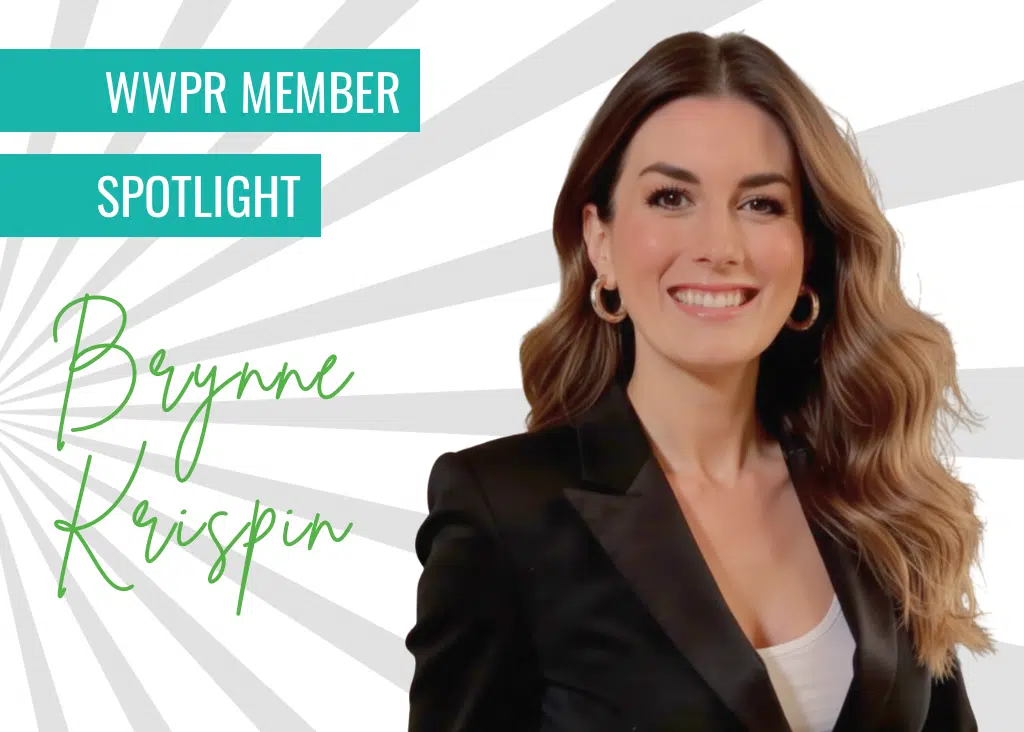
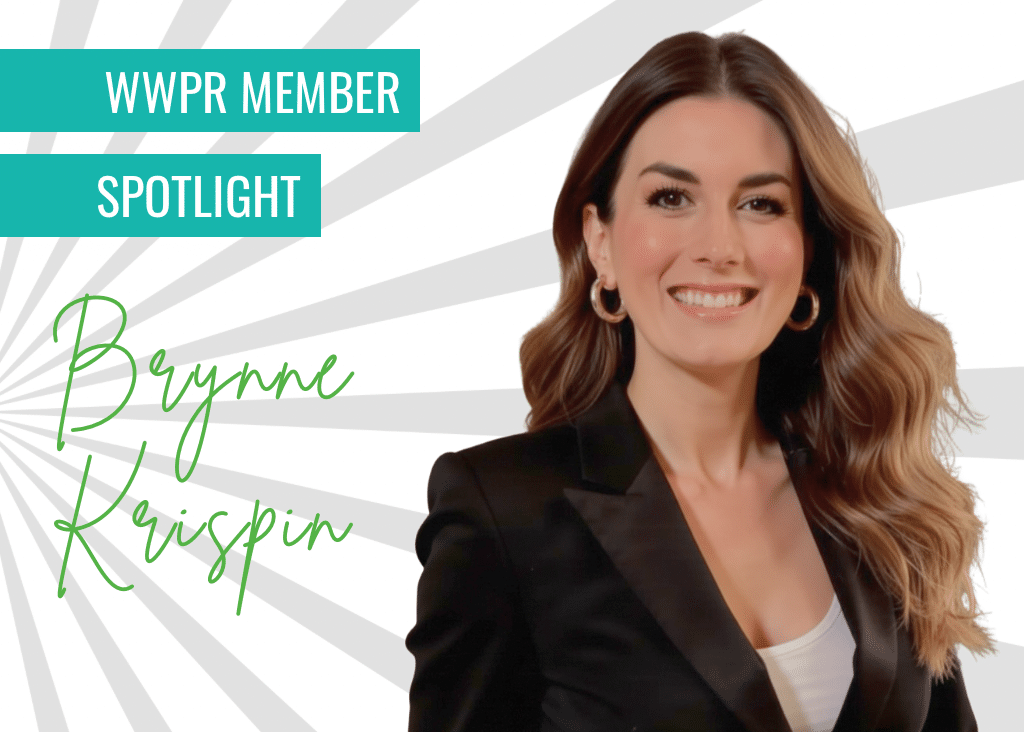
Brynne Krispin is the Founder and CEO of Cause Fokus, a boutique agency helping leaders transform their expertise into authentic, visible thought leadership. She specializes in empathy-driven brand strategy, executive storytelling, and LinkedIn thought leadership. A recognized LinkedIn Top Voice, writer, and speaker, Brynne is passionate about helping leaders build trust and meaningful influence.
1. Tell us a little about yourself and your current role at Cause Fokus.
I’m the Founder & CEO of Cause Fokus, a boutique thought leadership agency helping visionary founders and executives turn their quiet expertise into visible, trustworthy thought leadership without ego or overwhelm.
After nearly a decade leading social strategy for NGOs and policy orgs, I saw the same pattern repeat itself: the most credible leaders in the room were consistently the least visible ones online. And yet, their unique perspectives and expertise were creating the biggest impact behind the scenes.
So I built Cause Fokus for them. We partner with leaders to tell their story online thoughtfully and intentionally through thought leadership strategy, executive ghostwriting, newsletters, and LinkedIn outreach. I’m also a mom to a very active 8-year-old boy and usually spend my weekends at the baseball field or climbing trees.
2. What drew you to a career in public relations/communications?
My love for media started with a love of language and people. I studied English Literature in college and wanted to be a newspaper journalist. Once I saw the community-building aspect of sharing stories on social, I was all in. What kept me in this field is the belief that authentic storytelling is the most underutilized tool in any leader’s arsenal. The right message, told with honesty and clarity, can open doors that no ad budget ever could.
3. What’s one valuable lesson you’ve learned throughout your career?
You can’t build trust if you’re invisible, and playing it safe by staying behind the scenes is its own kind of risk. I had to learn this firsthand when I suddenly became a single parent just six months into launching Cause Fokus. I had a five-year-old, a brand-new business, and the pressure to triple my income with almost no public visibility. I thought keeping the spotlight on my clients’ work was enough, but it wasn’t. I had to learn to step into my own story with confidence, show up even when it felt uncomfortable, and position myself as the expert I actually was, not wait until everything felt perfectly polished or the timing felt right. That experience became the foundation of everything I teach. The world doesn’t need a more polished version of you, and you are far more ready and capable than you know!
4. How has WWPR supported or impacted your professional journey?
I joined WWPR in fall of 2022, right as I was getting Cause Fokus off the ground, and the community came at exactly the right time. Being surrounded by such smart, badass women who are thoughtful, generous, and genuinely invested in each other’s success reminded me why I love this industry. WWPR has been a space where I can learn, connect, and be reminded that collaboration, not competition, moves us all forward.
5. What advice would you give to someone starting out in the industry?
This industry will never stop changing. What works today may be obsolete in 18 months. If you anchor your identity to any of it, you’ll feel like you’re failing every time the ground shifts. So do the deeper work. Get clear on who you are, what you believe, and what you actually stand for. Your values are the only stable ground you have, so hold onto them and protect them. Then ride the waves with everything else. Be willing to adapt, experiment, and follow threads you didn’t plan on. The most important pivots in my career looked like interruptions at the time, but they turned out to be the best thing in the end.
6. Anything else you’d like to add?
Stay curious! Give yourself permission to build, experiment, and explore. Even if it doesn’t turn into a new opportunity, the lessons you learn along the way are worth it. If you’re building something cool, interesting, or weird, I’d love to connect with you and cheer you on. 🙂
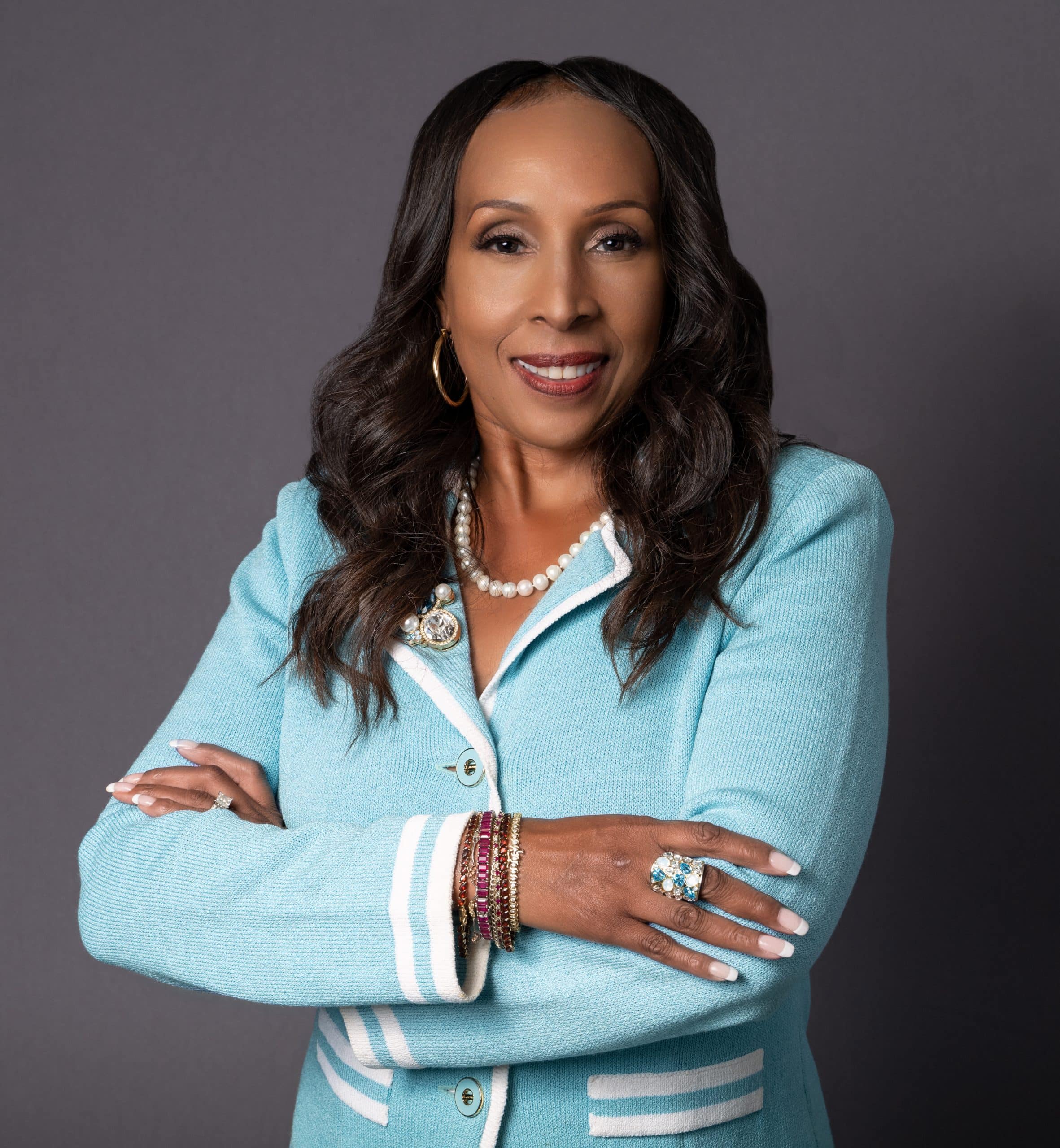
Dr. Sheila Brooks is an accomplished entrepreneur, author, Emmy-award winning journalist, educator and expert in marketing, media, communications and public relations. She is founder, president and CEO of SRB Communications, a full-service marketing, advertising and PR agency that specializes in creating and executing brand awareness, outreach and public education campaigns. Her more than four decades of trailblazing leadership in media and communications reflects the long track record of success and commitment to Washington, DC and this nation’s creative and entrepreneurial economy. The boutique agency headquarters is in downtown Washington, DC.
Photo by Cheriss May, Ndemay Media Group.
Your career spans journalism, entrepreneurship and advocacy. Looking back, what experiences early in your career most shaped the leader you are today?
Early in my career, I came to understand that effective communication starts with listening – grasping context and appreciating the responsibility that comes with shaping public understanding. Journalism demanded discipline, precision, and an unwavering commitment to telling stories with integrity. It also introduced me to communities whose voices were often underrepresented, deepening my belief in the importance of inclusion and authentic representation.
These experiences continue to shape my approach to leadership. I prioritize clarity, accountability, and purpose in every decision I make. To me, leadership is not only about setting direction, but about ensuring that our work is thoughtful, responsible, and makes a meaningful impact.
Starting a communications agency takes both vision and courage. What were some of the biggest lessons you learned in the early years of building SRB Communications?
In the early years of building SRB Communications, I learned that vision must be supported by consistency and discipline. Success is not immediate. It is built over time through strong relationships, quality work and a clear understanding of your company’s value. As a woman-and minority-owned business, there were additional challenges that required resilience and adaptability. I learned quickly that credibility is earned, not assumed. Delivering excellence and results, maintaining integrity and building trust with clients became the foundation of our growth. Those early lessons continue to guide how I approach both leadership and business today.
Since launching SRB Communications more than three decades ago, the communications landscape has transformed dramatically. How has your agency evolved alongside new technologies, platforms and client expectations?
The communications landscape has evolved significantly, but the fundamentals of effective communication remain consistent. Clear messaging, strong strategy and a deep understanding of your audience continue to drive results. At SRB Communications, we adapt by integrating new technologies and platforms while staying grounded in those principles. We approach innovation with intention, ensuring that new tools enhance our work rather than distract from it. Client expectations have shifted toward faster, more measurable outcomes and we have responded by strengthening our strategic approach while maintaining a focus on quality and impact.
You’ve taught and mentored many journalists, entrepreneurs and communications professionals over the years. What do you find most rewarding about helping the next generation grow in this field?
What I find most rewarding is seeing individuals grow into their confidence and recognize the value of their voice. Mentorship is not simply about sharing knowledge, but about creating opportunities and encouraging others to take ownership of their path. Over the years, I have worked with students and professionals who have gone on to build stellar careers and that continued growth is what makes the work impactful. When someone understands their potential and begins to move with intention, it creates lasting influence not only for them, but for the broader field.
Advocacy and community engagement have been a consistent thread throughout your career. How do you see communications as a tool for expanding opportunity and amplifying voices that might otherwise go unheard?
Communications plays a critical role in shaping how people understand issues, opportunities and each other. When used intentionally, it can expose and access, elevate perspectives and ensure that more voices are included in important conversations. Throughout my career, I have focused on using communication as a tool to create opportunities and strengthen communities. This includes ensuring that a wide range of audiences are represented in campaigns and narratives that impact their daily lives. Thoughtful communication can influence perception, inform decision-making, and ultimately create more inclusive outcomes.
Among your many professional accolades, you are also the author of Lucile H. Bluford and the Kansas City Call: Activist Voice for Social Justice published in 2018. What did you learn from your research on Bluford’s life and career that you still carry with you in your communications and advocacy work today?
Researching Lucile Bluford’s life reinforced the idea that communication can be both informative and transformative. Bluford used journalism as a platform to challenge injustices and inequity, and advocate for change during two critical eras in history – both the civil rights and women’s rights movements. Her work demonstrated persistence, courage and a deep commitment to truth. That perspective continues to influence how I approach storytelling and leadership today. It serves as a reminder that the work we do has the power to shape understanding, elevate important issues and contribute to meaningful progress.
Throughout your career, you’ve managed to grow a thriving business while keeping service and community impact at the center of your work. How have you navigated the balance between running a successful agency and staying true to that public service mission?
For me, business success and community impact have always gone hand in hand. Building a strong organization takes more than strong financial results; it calls for purpose, trust, and a dedication to meaningful outcomes. By connecting our work to real impact, we’ve been able to deliver value to clients while also supporting the broader community. That connection has helped us maintain long-term relationships and stay focused on work that truly matters. When your values are clearly defined, that balance becomes a natural part of the foundation rather than something you have to constantly manage.
Your career is deeply rooted in Washington, DC — from working with local institutions and serving on civic boards to mentoring the next generation of communicators in the city. What does being a leader of the DC communications community mean to you?
Washington, D.C. is a distinctive environment where communications plays a pivotal role in shaping policy, public understanding, and the national conversation. Being part of this community requires contributing with purpose while upholding a high standard of professionalism and integrity. It also means acknowledging the responsibility that comes with influencing discussions that reach far beyond the city. Leadership in this space involves not only delivering exceptional work, but also guiding and mentoring the next generation of communicators who will help shape the future of the field.
Many women in communications look to leaders like you as examples of what’s possible. As you join WWPR, what advice or encouragement would you share with women at different stages of their careers — from those just starting out in PR and communications to those considering launching their own agencies?
At every stage of your career, being intentional about growth makes a lasting difference. Early on, that means building strong skills, gaining hands-on experience, and cultivating meaningful relationships. It also requires taking an honest look at your strengths while recognizing where there’s room to improve—self-awareness that will continue to guide you over time.
As your career progresses, growth often calls for stepping outside your comfort zone. Taking thoughtful risks and embracing leadership opportunities—even before you feel fully ready—can open doors you might otherwise miss. Confidence isn’t something you wait for; it’s developed through action, experience, and a willingness to keep learning.
For those considering entrepreneurship, preparation matters, but so does the ability to move forward with clarity and purpose. While uncertainty is inevitable, a strong foundation, clear vision, and consistent follow-through can set the stage for success.
There’s no perfect moment to begin. Progress comes from taking that first step, learning along the way, and continuing forward with intention.
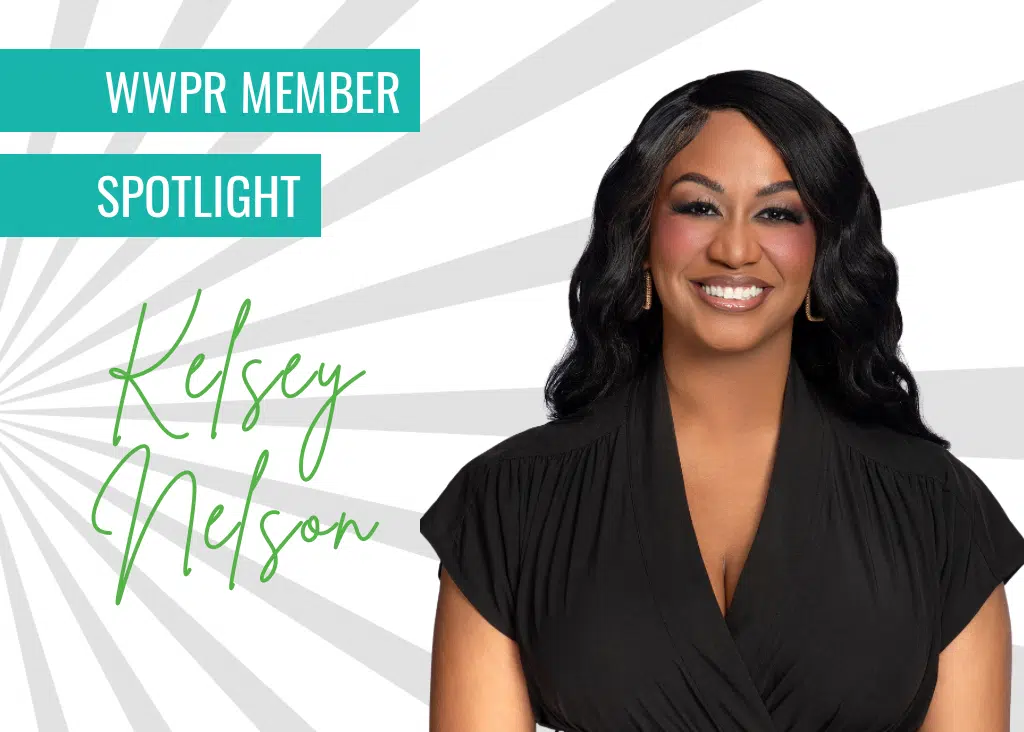
Kelsey Nicole Nelson is a broadcast media personality and the founder, executive producer, and host of the “Listen in with KNN” sports talk podcast and radio show. She also is the Social Media and Digital Marketing chair for the Entertainment and Sports section for the Public Relations Society of America (PRSA). And she most recently served as the Vice President and Membership Chair of the Washington Association of Black Journalists. Today, she is on the Regional Advisory Council for the Tickets for Kids nonprofit and the Period Reality Advisory Board, and sits on the board of the Capital Emmys—where she serves as the Communications Committee Co-Chair—and the Montgomery County Sports Hall of Fame.
Your work draws people into amazing stories, but we would love to flip the script—how has your personal journey shaped your professional path?
I was born and bred in the Washington, D.C., area, which is special because sports are everywhere. I grew up going to games with my dad—seeing Georgetown basketball legends, watching the University of Maryland win championships, and going to the Baltimore Ravens’ training camp. Both my dad and mom worked so hard, which is where I get my work ethic from, but they always made time to take me to games and practices. This area has a unique culture, especially in sports, and I’ve been lucky to build a career in sports journalism here, where I can share athletes’ stories with audiences. Sports also have a special meaning to me because I spent many summers with my grandparents in Jackson, Mississippi, and the South is all about religion and football. When I wasn’t in church, I was playing football with other kids and having fun. Faith, family, and football paved the way for me, and now I’m so grateful that I can pave the way for others.
As you built your personal brand, what values or priorities mattered most to you? Were there any guiding principles that helped you stay true to yourself?
You have to have non-negotiables in life, and for me, those are trust and respect, which are what I built my brand on. Whether it’s people sharing their story with me, employers relying on me, or students learning from me, I want everyone I engage with to trust me. And I want to be respected for the work I do, but I’ve had to earn it, especially as a Black woman working in sports communications and the entertainment industry. I’ve earned the trust and respect of many because of my work ethic. I work hard on all that I do—I give 150%—and people know that. So, when they see the KNN brand, they know they will get a quality product. That’s important to me, especially as my brand has become increasingly more global, and I never know who is watching. And with everything I’m involved in, I always remember to stay true to myself—not get caught up in the hype and headlines—and to be humble, grateful, and thankful.
When you set your intentions for your brand, how did that shape the kinds of opportunities or roles you went after? Did it open doors you had not expected?
The cool thing about trust and respect is that you get what you give, and because a lot of my business is referral-based, it means that my values and other things I hold near and dear to my heart are seen and felt by others. I focus on being a good person with a strong work ethic and on making the people I meet or work with feel welcome. I’m always smiling and want to make other people smile, which is one reason I ended up loving nonprofit work. I was a Boys & Girls Club kid, which is how I went to my first professional sports game, so being able to give back now is a beautiful thing. I’m also on the Advisory Council for Tickets for Kids, which gives free sporting and concert tickets to children and families. I’m so glad I get to help and mentor younger generations, and I’m thankful for the opportunities I’ve had, such as in radio and podcasting, which unexpectedly led me to find joy in teaching and public speaking. Being able to use my platform for a purpose fueled by my passions is amazing, and I try to do so every day. I’ve seen life come full circle.
As you use your platform for a purpose, how do you approach using communications as a tool for positive change, both for yourself and the causes you care about?
My biggest thing is giving back. So, I’m most proud of the internship and fellowship programs that I have through my companies. I have a lot of people come to me, unsure about this job market and how to use their skills, and I focus on helping them get real-world experience and build their portfolios. I also truly enjoy getting to know them and just talking about life—I think that’s important. For example, while covering Super Bowl LX, one of the greatest joys I had was the conversations with one of my interns, Anfisa Pitchkhadze, who is a senior at San Jose State University and was out there working as a student journalist and thriving. To me, it doesn’t mean anything if you get to the mountaintop alone, which is why I like to lift people up as they climb. Especially in the communications industry, which has been greatly impacted, to be able to provide support to young people in their careers—that’s my “why” and the kind of legacy with a lasting impact that I want to have.
You are a source of inspiration for so many women in public relations. Are there any women—past or present—who have inspired you along your journey?
It’s honestly all the women around me. In Washington, D.C., women make up more than half of the workforce, and over half of the top executives are women. This is more than any other municipality in our country and something we should take pride in. It’s amazing how many rock-star women I met through organizations like the Greater Bethesda Chamber of Commerce, DC Chamber of Commerce, Women in Sports and Entertainment (WISE) D.C., and Washington Women in Public Relations (WWPR), as well as local leaders I’ve gotten to know and living in a city like D.C. where we have been led by a highly successful woman in Mayor Muriel Bowser. How can I not be inspired? There are so many women doing great things—doing them effortlessly and graciously. But the most inspirational superwoman, for me, is my mom. She always worked so hard but was always there for our family. I’m so grateful for her, for how supportive she is of me and my career, and for how she’s adapted to multiple roles while my father works to get back to full health.
Reflecting on your career and your role as a lecturer at George Washington University, what is the most meaningful advice you share with students or women starting out in their careers?
Be your biggest promoter. You are your own self-marketer. We live in a world where nothing is guaranteed, so knowing how to market and brand yourself is very important. And you can’t wait for someone else to do it for you. Start now. Don’t wait and stand in the shadows. Instead, be a go-getter, be curious, and embrace that entrepreneurial mentality. If you have that mindset, it won’t steer you wrong. But also remember to have fun while you do. We live in such a serious world that you need to find things to laugh at throughout the day. Every day, find something that brings you joy or makes you smile. For me, it’s my students who make me smile—I love being in the classroom and talking with them about things like entrepreneurial journalism and how we see journalism evolving.
On the topic of advice (and just for fun), what are your top five favorite things that you would recommend to our WWPR community?
First is the 2027 NFL Draft coming to Washington, D.C., which is putting our city in the spotlight for a good reason. Second are concerts because I love live music. There are so many great artists coming to the area, like Cardi B, so it is definitely something people should take advantage of. And because I am a foodie, my third-favorite thing is our local restaurant scene. I always appreciate a good social hour and helping the local economy, and a great restaurant I just tried is GAIA Supper Club (and love it!). On the topic of food, fourth would be getting popcorn at the movie theater—I love going to see scary movies, especially those based on a Stephen King book. I’ve always lived close to a movie theater, and because I don’t drive, I enjoy the walk to and from there. That leads to my fifth favorite thing—getting out to walk, as it’s the one time in my day that’s purely for me and my thoughts, where I give myself grace and space.
Stay connected with WWPR by signing up for our mailing list! You’ll receive the latest updates on professional development events, exclusive networking opportunities, leadership initiatives, and more!