How to Hire and Work with a PR Consultant (When You’re Ready)

By LeAnne DeFrancesco, Vice President, Vanguard Communications

This resource is the fourth in the series of the WWPR Nonprofit Communications Toolkit, a year-long series of practice guides designed specifically for small to mid-sized nonprofits working with limited staff and budgets. Each quarter focuses on a different theme, and each resource is designed to be immediately implementable without prior communications experience or expensive tools. Explore more resources at wwpr.org/nonprofit-toolkit. For questions or feedback: probono@wwpr.org.

Let’s start with the good news. 

  1. You have realized you need help.
  2. There is a lot of PR and communications talent in the DMV metro area.
  3. You have a budget to support hiring a PR consultant. (see below for more on budgets)

Now, the reality: Help comes in many forms, and knowing where to start can be daunting.  

When you bring in an external resource to support a specific project or activity—from an event to a communications audit to a report—there are many variables to consider. Skills and expertise are likely at the top, but price, availability, and work style are also important. You want to know if your resource will meet deadlines, will take feedback, and will produce quality work. 

A few best practices will help you tease these things out and ensure you secure the right person or group for the project and possibly build a long-term relationship you can lean on again in the future.

Phase 1: Getting Started

Step 1: Explore What You Really Need

When an organization brings on a consultant, it can be easy for you or your board or staff to get excited about what you can “unload.” Some may need help with media strategy, others may need someone to draft social media content, and someone else may be thinking they can use the consultant to create a full strategic communications plan. 

Make sure you know precisely what you have funding to support and be transparent with your colleagues about what the consultant, once hired, will be doing and NOT doing. For example, you may engage the consultant to put together media lists, but not pitch stories. Or you may ask them to do a website audit for you, but not actually revise or write copy for it. 

This will help you write a scope of work that is clear, and it will help your team understand which tasks they can share with the consultant and which remain their responsibility. 

Before engaging a consultant, make sure you know:

  • What problem are you trying to solve right now.
  • Whether the scope is strategic (planning, messaging) or executional (writing, design, media outreach).
  • What success looks like following their engagement on the project or task. What will you have in hand that you don’t have now?
  • Who their point of contact will be throughout the contract, and who makes decisions about the deliverable(s) completion and quality. 

Individual consultants are often best when:

  • You have a clearly defined task
  • You need a specific skill (writing, media strategy, facilitation)
  • You want deep engagement from one person

Small firms may be better when:

  • The project touches multiple disciplines (strategy + writing + design)
  • Timing is compressed, and work needs to happen in parallel
  • You want a built-in backup if one person is unavailable

Step 2: Market the Task

Here, clarity and reasonableness are incredibly important. Be upfront about what you are really expecting a consultant to do, how long they will have to do it, and what you are prepared to pay for their services. 

Be specific. 

  • If you need a consultant to rewrite your website, be clear about how many pages they will need to draft, the approximate length of content, any mandatories that should go into pages like subheads, or the number of hyperlinks, how many rounds of review they can expect from your team, and how the final copy should be delivered to you. Give them a style guide to learn your voice and lexicon. 

If you’re working on a crunched timeframe, say so. 

  • Consultants whose availability aligns with your timeline will respond to your call for help—whether you issue a formal RFP or simply use your network to get recommendations—while those who have less flexibility will hang back. If you know that your review team takes a while to review drafts, say that, so the consultant will be prepared for a lull. That might read: “First draft of web copy is due May 1, with expected revisions due June 15.” Timelines rarely work perfectly, but even ballpark dates will give your consultant a sense of where they can slot in other work versus when they need to remain available for you. 

Communicate about your budget. 

  • There’s no universal “right” budget, but you can expect an average hourly rate for a consultant (whether practicing on their own or within a firm) to be about $150–$160/hour, depending on experience. Costs for common projects, depending on scope and timeline, are in the following ranges:
    • Communications audits, media lists, or targeted writing support: $3,000–$8,000
    • Message development, campaign planning, or executive communications: $8,000–$20,000+
    • Strategic planning or messaging work is typically higher due to research, experience levels, and iterations.
    • Ongoing support or retainers are best suited for organizations with steady needs and internal capacity to manage weekly work. Could range from $2,500 to $15,000/month. 

Step 3: Review Your Candidates

They probably aren’t going to be with you forever, but you need to ensure whoever you hire for your activity is someone you can trust to do the job well, on time, and on budget. Review their resume or capability statement for the following:

Skill set: If you need someone to write a speech, and they’ve only written fact sheets and op-eds, that’s a disconnect. They may be great at speeches, but without evidence, they can do it well; you’ll be taking a risk that their drafts will need a lot of work.

Expertise area: If you need someone well-versed in health or environmental issues, that should be reflected somewhere on their resume. 

Experience depth: Depending on your task, you may need someone with 10 years of experience or just 2. Whatever the ideal number is, look for that depth in the resume.

Step 4: Have a Conversation

Reviewing resumes only gets you so far. Having a call or meeting is the best way to get at specific details you want to know about their experience and work style. You may ask questions like:

  • Have you ever worked on this short of a timeframe?
  • What is your research process like?
  • When might you be available for a call throughout the day?
  • What has been a challenging project for you, and why did it not go well?
  • How do you typically handle feedback or changes in direction mid-project?
  • What do you need to succeed on this task?

Even though you aren’t hiring a consultant to be an employee at your organization, you are making an investment of time and money, and it’s fair to be thorough about what you’re getting in return.

Step 5: Ask for References

Here’s where you can get into the consultant’s soft skills. Did they respond quickly to emails and calls? Were they open to feedback, and did they execute revisions thoughtfully? Were they easy to collaborate with?

They may have a stellar resume and be great in an interview, but you’ll want to know the experiences of those who have relied on them before you make a decision.

Step 6: Set Up the Contract

Your organization probably already has a contract it likes to use for outsourcing work, but if there are any details that should be specific to your project, make sure they are included. For example, if you are contracting out for graphic design support:

  • Include a line about how the artwork your consultant supplies should be 100% original and free from any claims of copyright. 
  • Note that all final native files should be transferred to you upon completion of the project.
  • Be clear about the maximum expenses the consultant may incur (e.g., Shutterstock images) and charge to you.
  • Establish the number of rounds of review because these represent time invested by the consultant and if not explicitly stated, you might receive pushback. Particularly on creative work, revisions are unavoidable and need to be factored in.
  • Add confidentiality and/or no marketing clauses, if it is needed to protect the sensitivity of the work.

The scope of work, the timeline, and the budget must be explicitly called out in this document. Make sure the scope is crystal clear and that any work must be cleared by you or the lead in your organization, so you don’t end up paying for scope creep by well-meaning staff or consultants with additive ideas. It is binding, so be sure all the details click. Avoid words like “may” and “could.” These are subjective and will be difficult to enforce if the consultant falls short in any area. Use definitive words like “will” that set out the expectation clearly and leave no room for interpretation, including mapping deadlines for each task.

Many consultants work on a project-by-project basis, while others prefer an hourly rate. If your organization has a specific way they like to pay for services, put that in the contract.

Ask your consultant to review the contract and sign it, and then sign on your end. Make sure all parties have a copy of the fully executed contract so that everyone is working from the same piece of paper.

Phase 2: Working Together

Developing a positive relationship with a consultant requires you to play a role as well. Remember, they have networks too, and if you are difficult to work with, word will spread, making it harder to contract with a strong consultant in the future. 

Step 1: Be a Good Partner

Start off on the right foot by introducing your consultant to your team and discussing what they will be doing and who their point of contact is. This “kick-off call” should be included in the scope of work and budget. It’s a best practice for the consultant to have one person from whom they should receive assignments and communication. 

Frame the consultant’s support as a way to help your organization reach its goals and, if applicable, take some pressure off overloaded staff. 

Consultants have lives, too. They likely are juggling several projects in addition to yours and just because they are tied up when you want to meet or don’t respond to an email within 10 minutes doesn’t mean they are checked out. Be patient and gracious and assume the best. If their response time starts to become an issue, raise it with them. Work styles can vary greatly and if you need more touchpoints with them, it’s OK to say so. It’s in their best interest to meet your expectations.

Step 2: Be Fair on Deadlines

Just because they are working for you doesn’t mean that they can operate at warp speed. They may be able to fast-track your project based on what else they are working on but be collaborative on that point instead of prescriptive. Or, be very transparent if you have an immovable deadline. Ask yourself: What would you negotiate for yourself for that deliverable?

This relationship is a two-way street. Ensure that your team is fair regarding your own deadlines throughout the process. Be as responsive to the consultant’s inquiries and deadlines. If your work is delayed, you are also delaying the consultant’s performance, and project timelines may be affected.

Step 3: Trust Their Expertise

If you have hired a consultant, something in their experience told you it was a good match. Listen to what they have to say and have a dialogue about ideas and recommendations. Even if what they propose won’t work for your organization, there is value in getting different perspectives. Be respectful of what they are bringing to the table.

Same with written content. Even if their first draft of content doesn’t match what you are looking for, take a moment to provide specific feedback on why it doesn’t work. Statements like “I just don’t like this” or “My boss will never go for this” don’t provide action steps on how to make it better next time. Good feedback sounds like:

  • “This is a little too playful for our brand.”
  • “We need punchier statements in fewer words.”
  • “We have to reference the Annual Meeting in every social post.”

Step 4: Create a Relationship 

You want a framework in which the consultant is an extension of your team. Think about what they are tasked to do and set up systems to help them succeed. For example:

  • Should they be in any team meetings, even if just a fly on the wall to hear conversations and strategies?
  • Should they be on specific emails about an issue?
  • Do they need additional context about something they are working on that would help them do their job better? 

Important Things to Consider 

1. Be wary of a consultant’s budget or rate that seems too good to be true. 

Right now, many communicators are discounting their work to bring work in the door. That’s great, but it might not last. If a fee seems way below market value, ask why and how long it will remain valid.

2. Ask for samples: plans, writing assignments, even email communications 

If a potential consultant can’t or won’t supply that, ask why. Tell them it’s OK to redact information for confidentiality if that is a barrier. But it’s fair for you to explore how they think and communicate. 

3. Probe into their use of AI. We’re all using AI tools in different ways. 

You want to be sure that what you are “buying” is real expertise and not just a savvy AI prompter. There’s nothing wrong with using AI, but make sure their approach aligns with your organization’s expectations around originality, confidentiality, and quality control.

4. Assess their approach to inclusive language

If a potential consultant speaks only in broad generalities about “target audiences” without demonstrating a nuanced understanding of the communities you serve, that’s worth a closer look. Ask how they tailor messaging for different identity communities and how they ensure language is respectful, accessible, and inclusive. 

Clarity and Partnership

You don’t need to have everything figured out to hire a consultant, but you do need clarity, honesty, and a willingness to partner. When those things are in place, outside expertise can move your mission forward faster and more thoughtfully than doing everything in-house ever could.

About the Author: LeAnne DeFrancesco is a Vice President at Vanguard Communications, a Washington, DC–based public relations and social marketing firm serving mission-driven organizations. She leads the firm’s editorial and design practice and brings more than 25 years of experience helping clients develop clear messaging and dynamic creative portfolios. She is a member of Washington Women in PR and supports WWPR’s Pro Bono Committee and initiatives.

Take Stock: A Nonprofit Communications Audit


By Kimaya Dixit, Senior Social Impact Strategist, UVA MBA  Candidate ‘27

If you run communications for a small nonprofit, you’re probably making decisions on instinct. You post when you have news, send an email when you remember, and mean to update the website. Over time, the result is a patchwork: some channels are active, some are dormant, and none work together.

The fix isn’t a bigger strategy. It’s an honest look at what you’re actually doing right now, not what you used to do or plan to do, but what exists today and whether it’s working.

The following Communications Audit Toolkit walks you through four core areas—website, social media, email, and media presence—in about 30 minutes. You’ll finish with a clear picture of where you stand and exactly what to fix first.


Scroll down to explore the full guide or download a PDF version below.

Why Bother With an Audit?

Most small organizations communicate on instinct. You post when you have news, send an email when you remember, and update the website when something changes. That’s not a criticism—it’s just reality when you’re a small team wearing a lot of hats.

The problem is that over time, without stepping back to look at the full picture, things get patchy. Your Instagram is active, but your website is two years out of date. You have an email list you haven’t touched in six months. You’re putting energy into channels that might not be reaching the people you actually need to reach.

A communications audit doesn’t have to be a big project. It just means taking an honest look at what you’re doing, how it’s working, and where your time would be better spent.

After completing this checklist, you’ll have:

  • A clear snapshot of what you’re doing well and what’s slipping
  • A score that tells you honestly where you stand: Foundation, Building, or Strong
  • Specific actions to focus on first, so you’re not trying to fix everything at once
  • A baseline you can come back to in 90 days to track your progress

How to Use This Checklist

1. Set aside 30 minutes. That’s genuinely all this takes. Put your phone down, open your website, social accounts, and email platform, and work through each section with them in front of you.

2. Answer honestly. Check the box only if you can say yes right now, not ‘we used to’ or ‘we’re planning to.’ The value is in the honest picture, not a flattering one.

3. Read each tip. Each section has a tip for how to actually gather the information. These make it real.

4. Tally and act. Count your checkmarks, find your score, and use the action priorities to decide what to tackle first. Pick one thing. Write it down. Do it.

A note before you start: No small organization has all boxes checked. The point isn’t perfection, it’s clarity. Even if you finish this and realize you’re starting from scratch in two of the four areas, that’s useful. You now know where to focus.

Self Assessment Checklist

What are you actually doing right now? Work through each section honestly. No judgment, just a clear picture.

Your Website

☐  Can someone find your mission or ‘what you do’ in under 10 seconds, without clicking anything?Try it right now. Open your homepage and time yourself.
☐  Is your contact information easy to find from any page?
☐  Does your site clearly show who you serve and why they should care?
☐  Is there a way for visitors to take the next step? (donate, sign up, get in touch)
☐  Has your site been updated in the last 3 months?

TIP: Hand your phone to someone who has never seen your site. Ask them to find: (1) what you do, (2) who you serve, (3) how to contact you, (4) your most recent news, and (5) how to support you. Don’t help them. Just watch and take notes.

Your Social Media

☐  Do you know which platform actually reaches your audience? (Not which one you prefer.)
☐  Do your last 5 posts reflect what you want to be known for?     Read them as if you’re a stranger. What impression do you get?
☐  Do you know who is actually engaging with you?     Check your followers/insights—age, location, what they respond to.
☐  Are you posting at least twice a week on your primary channel?
☐  Do you have a consistent visual look—colors, fonts, or photo style?

TIP: Go to your most active social account and click ‘Insights’ or ‘Analytics.’ Look at who engages with you. Is that your actual audience? If not, your content may be reaching the wrong people.

Your Emails

☐  Do you have an email list of people who want to hear from you?
☐  Do you know how many people are on it and how it’s organized?
☐  Have you sent an email to your list in the last 60 days?     

If it’s been longer, people may have forgotten who you are.
☐  Do your emails have a clear purpose and a single call to action?
☐  Do you track open rates or click rates, even roughly?

TIP: Pull up your last email. Read the subject line. Would you open it? Now check the open rate. A typical small org average is 25–30%. Below 20% usually means the subject line or send frequency needs work.

Your Media & PR

☐  Have you had a media mention (article, interview, podcast) in the last 6 months?
☐  Do you have at least 2–3 journalists or producers you could contact directly?
☐  Do you have a current one-paragraph description of your org ready to send?     

Often called a ‘boilerplate’, can you paste it right now without writing it fresh?
☐  Do you have a spokesperson who is comfortable and prepared to talk to the media?
☐  Do you have a story to tell right now—something timely, local, or human?

TIP: Google your organization’s name right now. What comes up? Are the results current? Do they say what you want them to say? This is roughly what a journalist sees when deciding whether to cover you.

How to Score

Count your checkmarks across all four sections (20 total possible).

0–8 ✓ FOUNDATION: You have the basics in some areas, but key gaps across the board. That’s normal, and most organizations start here. Focus on one channel at a time rather than trying to fix everything at once.
9–15 ✓ BUILDING: You have real presence and some systems working. The goal now is consistency and connecting the dots between your channels so they reinforce each other.
16–20 ✓ STRONG: Your communications infrastructure is solid. Focus on refining, measuring, and going deeper—not adding more channels for the sake of it.

What to Fix First (When You Can’t Fix Everything)

You don’t need to be everywhere and do everything well at once. Use your score to decide where to focus your limited time and energy.

Action Priorities by Score

0–8 FOUNDATION 

Start with your website. Make sure your mission is visible on the homepage, and your contact info is easy to find. Pick ONE social platform and commit to showing up there twice a week. Don’t try to be everywhere. If you have any email list at all, send one email this month. Even a short one. Silence costs you more than imperfection. Hold off on media outreach until the basics are in place.


9–15 BUILDING 

Audit your social content: do your last 10 posts tell a coherent story? Write down 3 messages you want to be known for and test them. Clean and organize your email list—even a simple split (e.g., donors vs. volunteers) will improve your results. Identify one journalist or local media outlet to build a real relationship with. Send them something useful, not a press release. Check that all your channels say the same thing about who you are.

16–20 STRONG 

Start measuring. Pick 2–3 metrics that matter to your goals and track them monthly. Build a simple editorial calendar—even a one-page spreadsheet. Planning ahead beats reactive posting. Develop a media list and a pitch strategy. You have the foundation to get coverage now—go after it. Think about what’s next: a newsletter upgrade, a new audience segment, a campaign.

The One Rule

Do fewer things better. A single well-maintained channel that actually reaches your audience is worth more than five inconsistent ones. Pick your strongest channel, make it excellent, and only add more when you can sustain what you already have.

Quick Reference: What Each Channel is For

Website

Best for: Building credibility, being found via search, housing your full story
Weakest at: Real-time updates, conversation
One thing to check: Can a stranger find your mission in 10 seconds?

Social Media

Best for: Visibility, community, reaching new audiences
Weakest at: Control—algorithms decide your reach
One thing to check: Do your last 5 posts reflect what you want to be known for?

Email

Best for: Staying top-of-mind with people who already know you, driving action
Weakest at: Finding new audiences
One thing to check: When did you last email your list?

Media / PR

Best for: Credibility, reaching audiences you can’t reach yourself
Weakest at: Speed and control
One thing to check: Do you have one real relationship with a journalist right now?

Your Next Three Steps

1.   Write down your score and the section where you had the fewest checkmarks.
2.   Choose ONE action from the priorities table above. Just one. Put it on your calendar this week.
3.   Come back to this checklist in 90 days and compare your scores.

This resource is part of the 2026 WWPR Nonprofit Communications Toolkit. Free for nonprofit use. For questions or feedback: probono@wwpr.org.

About the author: Kimaya Dixitis a strategy and communications executive who helps organizations align purpose with business strategy and execution. She has led high-impact work across global health, Fortune 50 companies, and major nonprofits — building brands, shaping narratives, and driving decisions when the stakes are high.

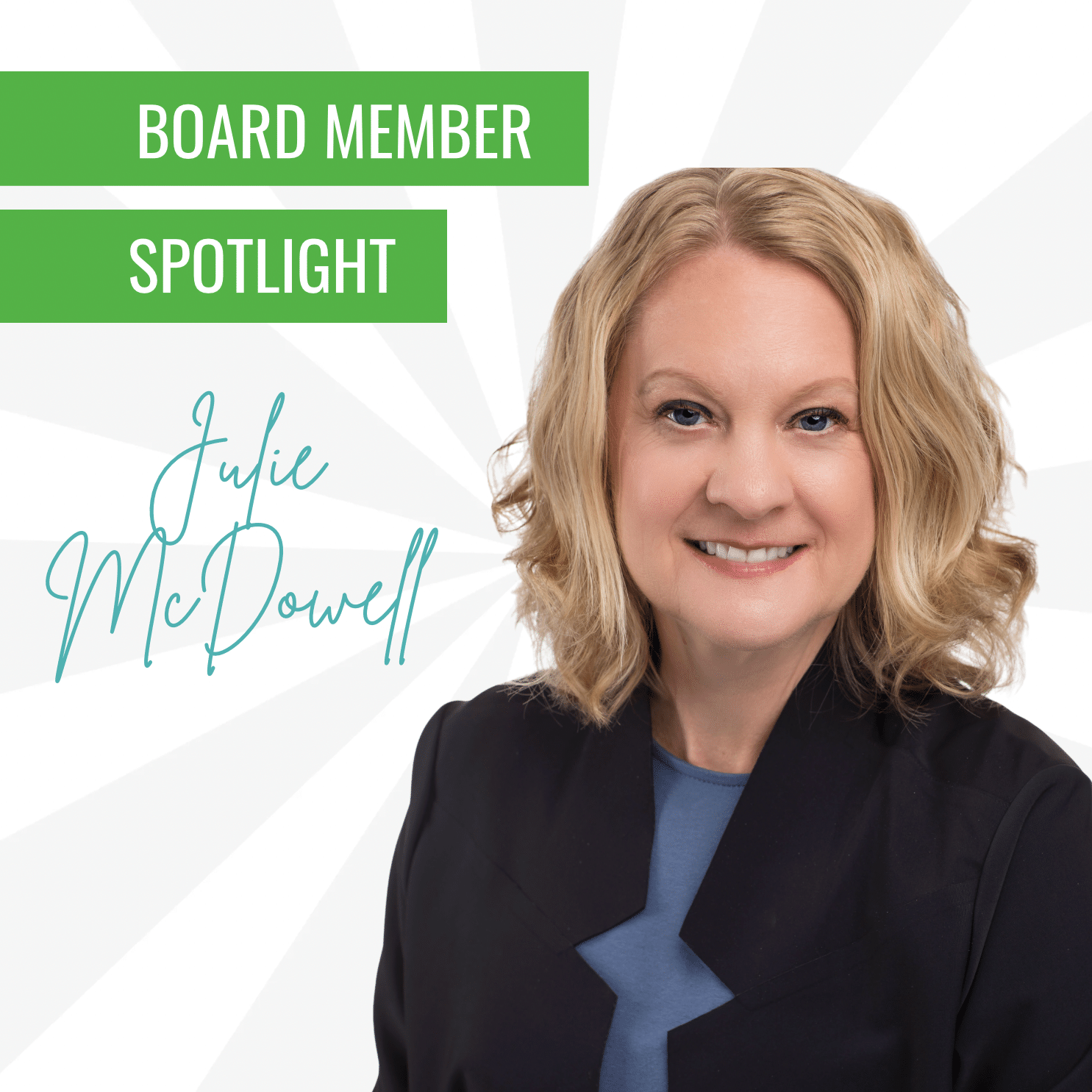
Board Spotlight: Julie McDowell, WWPR Operations Chair

Stepping into the spotlight this month is WWPR Operations Chair Julie McDowell, a strategic marketing and communications executive with 20+ years of experience leading mission-driven work at the intersection of healthcare, science, and public affairs. Currently, she serves as Director of Strategic Communications and Digital Content at the College of American Pathologists, where she’s spent her career translating complex clinical and scientific narratives into communications that move people and organizations forward.

Tell us about your background and what led you to your current role.

My path into communications wasn’t a straight line and I’ve come to believe that’s actually a strength.

I started in journalism, drawn in by what I still consider the heart of this work: storytelling and the art of a great interview. But as I looked ahead, I could see that PR and communications offered something journalism didn’t — more opportunity, more growth, and more ways to shape the narratives that matter.

What I didn’t anticipate was how much I’d fall in love with the challenge of making science human — turning dense clinical guidelines and diagnostic innovation into stories that clinicians, patients, and policymakers actually want to engage with.

There was no single defining moment that set me on this path. What there was, was a willingness to follow what energized me, say yes to stretch opportunities, and keep growing even when the next step wasn’t obvious. You don’t need a perfectly mapped career to build something you’re proud of. Curiosity and commitment will take you further than a plan.

What has been one of the most exciting or rewarding projects in your career so far? 

One of the most rewarding projects of my career was leading the communications strategy that helped secure a five-year, $11 million federal contract with the Veterans Health Administration.

What made it personal: my husband and father are both veterans. So when the opportunity came to help connect veterans with the most advanced diagnostic medicine available, it wasn’t just a high-stakes business win — it was deeply meaningful work.

My role was to craft the communications strategy that made the case for why our organization was the right partner — and when we won, it felt like a culmination of everything I believe communications can do at its best: tell a compelling story, build trust, and ultimately help people get better care.

That project reminded me that the most powerful communications work happens when strategy and purpose are aligned. It’s something I carry with me in everything I do.

What do you enjoy most about serving as a WWPR Board Member?

What I enjoy most is how much this community gives back. There’s something energizing about being in a room — or a Zoom — with other women in communications and marketing and feeling that immediate sense of recognition. We share so many of the same challenges, the same frustrations, and the same wins. That common ground makes connection feel effortless.

I’m also deeply passionate about professional development — both my own and others’. There’s nothing quite like watching someone gain confidence, find their voice, or land the opportunity they’ve been working toward. Supporting other women in this industry genuinely fills me up.

WWPR is one of the rare spaces where you can be ambitious and vulnerable in the same conversation. That’s not something I take for granted, and it’s why this work feels so meaningful to me.

How do you like to spend your time outside of work?

Outside of work, I’m most myself when I’m moving. I’m an avid trail runner and love the mental reset that comes from being outside and pushing myself physically.  I also lift weights and train with kettlebells, which has become a real passion. There’s something about that kind of discipline that carries over into everything else.

I recharge through faith and community at my church, and I’m an enthusiastic reader — always with a book nearby. But honestly, some of my favorite moments are the simplest ones: watching Parks and Recreation on the couch with my husband and teenage son. It never gets old, and neither does the laugh track of a 14-year-old who thinks he’s discovered it for the first time.

Is there a book, podcast, or resource you’d recommend right now?
For a book, I’d recommend The Correspondent — a beautifully written novel that reminded me why I fell in love with storytelling in the first place. And on a more nostalgic note, I recently reread Wuthering Heights in a Penguin Classics paperback, which reignited a love I first discovered as a teenage girl. There is something about holding an actual paperback that no e-reader will ever replicate.

For a podcast, I’m a devoted fan of HBR’s Women at Work — honest, smart conversations about the real experiences of women in the workplace. Fair warning: it’s no longer in production, which is a genuine loss, but the archive is rich and absolutely worth your time.

What advice would you give to women looking to grow in their careers or get involved in WWPR?

I know “be ambitious” can sound like a bumper sticker, but I mean it with everything I have: be as ambitious as you want to be. Don’t scale it down to make others comfortable. Go for it.

And when you do, give yourself permission to be imperfect. Some of the best decisions I’ve made were roughly right, not perfectly planned. Mistakes are not detours, they’re part of the path. The women I admire most didn’t wait until they were ready. They moved, and figured it out along the way.

Finally — and this one I feel strongly about — pay it forward. Advocate for the women around you. Celebrate their wins loudly. Open doors. This industry is better when we pull each other up, and WWPR is one of the best places I’ve found to actually live that out.

So get involved. Show up. You belong here.

Know Your Audiences: A Simple Mapping Exercise

Written by Alicia C. Aebersold, Chief Communications & Membership Officer, American Psychological Association (APA)

This resource is the second in the 2026 WWPR Nonprofit Communications Toolkit, a year-long series of practical guides for small to mid-sized nonprofits working with limited staff and budgets. Last month, you defined your three core messages. This month, you’ll identify exactly who needs to hear them. Explore more resources at: www.wwpr.org/nonprofit-toolkit 

Here’s a scenario you might recognize: Your organization does important work. You know it matters. And you know people need to hear about it. So you post it on Facebook, send out newsletters to your community, write emails to possible donors, all the time assuming you are not doing enough, but unsure how to tell. Are you reaching “the right people” when you aim at “the community,” or “potential donors,” or “anyone who cares about our issue”?

The result is that your limited time and energy scatter in every direction. Your Instagram post reaches people who will never donate. Your newsletter goes to supporters who already know what you do. And the specific people who could actually send their kid to your program, fund your next project, or introduce you to a key partner never hear from you at all. 

The fix isn’t complicated. It starts with one question: What do you need people to do?

Target the Action First

Most audience exercises start with: “Who should we talk to?” That’s the wrong question. Too many times, the first answer is “everyone,” and that is not a feasible – or useful – goal. 

Start here instead: What do you need someone to do in the next 90 days?

Maybe you need parents to enroll their kids in your summer program. Maybe you need donations to fund a project. Maybe you need the city council to renew a grant. Each of these is specific and actionable.

“Awareness” is not an action. “More people need to know about us” is not a goal. Too many organizations—even big ones with lots of resources—pour their energy into the abyss of “awareness.” If someone becomes aware of your organization, what do you want them to do next? Start there.

Why “the General Public” Doesn’t Work

“The general public” is not an audience. Neither is “the community,” “stakeholders,” or “people who care about education.” These are categories so broad that they provide no guidance for your actual communications work.

When your audience is everyone, you can’t make real choices. Where does an audience like “everyone” spend their time? What does “everyone” care about? What messages would resonate with “everyone”?

Broad audiences lead to vague and bland communications. Defining specific audiences lets you show up exactly where they are, say exactly what matters to them, and ask for exactly what you need. 

Getting the Altitude Right

Your audience definition needs to be specific enough to guide your choices, but not so narrow that it becomes a contact list. Think of it as finding the right altitude:

  • Too vague: “Parents.” Way too broad. Parents of newborns and parents of college students are very different audiences, for instance.  
  • Too specific: “Parents who volunteered with us last year.” Too narrow. You want a broader audience than one list you already have. 
  • Just right: “Parents of middle schoolers in SE DC who are veterans” or “parents of rising 6th graders in Ward 7 who are looking for summer options.” Specific enough that you know where to find them and what they care about, broad enough to build a real strategy.

Clear Audience = Clear Strategy

Specific audiences let you make specific choices. That’s the whole point.

For example, if you decide you need to reach Ward 7 parents, that lets you know exactly where to show up at the PTA meetings with sign-up sheets, or post signs at the bus stop near schools. Clear audience leads to clear strategy. That’s far more effective than hoping the right people will happen to see your Instagram post or read about your organization in a newspaper article. 

You can stop wasting resources and start focusing them.

Start with One Action and One Audience 

  1. What action do you need to be taken in the next 90 days? Be specific. “Enroll a child,” “make a gift of $1,000+,” “vote yes on the contract renewal.” 
  2. Who specifically can take that action? Define them precisely. Not “parents” but “parents of rising 6th graders in Ward 7.”
  3. What do they need to understand to take that action? This will be your core messages, plus something audience-specific. In this example, parents need to know the program exists, that it’s free, and how to sign up. Funders need to know your track record and your expansion plan. Consider these messages as your best case for support. 

Prioritize Audience When You Can’t Reach Everyone

Here’s how to decide where to prioritize your focus when you have limited resources.

Prioritize by value. Which audience, if you reached them successfully, would have the biggest impact on your organization? A funder who could give $5,000 once may matter right now more than 500 social media followers who will never engage further.

Prioritize by urgency. What do you need in the next 90 days? If your summer program enrollment opens in March, parents are your priority right now, even if funders matter more in the long run.

Be wary of prioritizing by ease. It’s tempting to focus on whoever is easiest to reach—your existing email list, your current social media followers. But if those aren’t the people who can take the actions you need, you’re just staying busy without moving forward.

The clearer your organization’s goals, the clearer your audiences become. If you’re struggling to prioritize audiences, you may need to clarify your goals first.

Red Flags: Signs You’re Trying to Reach Everyone

  • You can’t pick an audience. If you have seven priority audiences, you have zero. 
  • Your audiences are general categories. “Stakeholders” is not an audience.  specifically?
  • You can’t say what action you want them to take. If the answer is “be aware of us,” dig deeper.

A Note on Measuring Progress

For now, the simplest measure is: Did the audience take the action you needed? 

Did parents enroll? Did funders give? Did the council vote yes? If not, reassess whether both your action and your audience are precise.

Now, let’s see how to practically apply this to your nonprofit organization. Scroll down to work through the priority audience exercise and workbook, or download the PDF version using the button directly below.

Audience Mapping Exercise

The “One-Action, One-Audience” Audience Map

This worksheet is not about who matters most overall. It’s about who matters most right now.

Before you start, take a deep breath and remember:

  • You are not trying to reach everyone.
  • You are choosing who matters right now.

Step 1: Pick ONE action you need to happen in the next 90 days

(If everything is a priority, nothing is.)

In the next 90 days, what is the single most important thing your organization needs?

Check one:

☐ Enroll people in a program
☐ Raise money
☐ Renew or secure funding
☐ Get approvals/votes/permissions
☐ Recruit participants or volunteers
☐ Something else:  ______________________________

Write it as a clear action and be very specific:

Example: “Enroll 25 middle school students in our summer program.”
Example: “Secure a $25,000 renewal grant.”

Our priority action is:

_______________________________________________________

_______________________________________________________

Step 2: Name the ONE group of people who can take that action

(Not everyone who cares. Only those who can act.)

Complete this sentence:

The one very specific audience who can realistically take this action in the next 90 days is: 

_______________________________________________________

_______________________________________________________

Pressure test your answer

  • Is this a real group of people (not “the community”)? 
  • Can you picture where they spend time? 
  • Could you imagine tailoring a message just for them? 

If not, make it more precise.

Step 3: Write down what this audience needs to know to take the action you need them to take

(This is not your full story. It’s their decision checklist.)

Answer briefly—bullet points are fine.

To take this action, they need to know:
☐ The opportunity exists
☐ Why it matters to them
☐ What makes your organization credible
☐ Exactly what to do next

Write the 3 most important things they need to understand so they will take the action you need them to take:

1. _____________________________________________________

_______________________________________________________

2. _____________________________________________________

_______________________________________________________

3. _____________________________________________________

_______________________________________________________

Quick Reality Check

(Answer honestly!)

  • Are we focusing on one action we need them to take
  • Are we focusing on one primary audience who can take that action
  • Are we able to clarify what they need to know to convince them to act
  • Could we explain this plan to a board member in 60 seconds? 

If you checked “no” more than once, simplify again.

What’s Next?

Now that you know who you’re talking to, you’re ready to:

  • Audit your current communications (March toolkit)
  • Start building your story bank (April toolkit)

If you haven’t yet defined your three core messages, start with last month’s toolkit: The 3 Core Messages Every Nonprofit Needs (And How to Write Them in 90 Minutes).

This resource is part of the 2026 WWPR Nonprofit Communications Toolkit. Free for nonprofit use. For questions or feedback: probono@wwpr.org.

ABOUT THE AUTHOR: Alicia C. Aebersold is chief communications and membership officer at the American Psychological Association, leading an 80-person team for the 190,000+ member organization. Aebersold has spent her career in healthcare and behavioral health communications, including senior roles at the National Council for Behavioral Health, Robert Wood Johnson Foundation, National Governors Association, and National Quality Forum. She serves as Pro Bono & Social Impact Co-Chair for Washington Women in PR. 

Board Member Spotlight: Isabel Aldunate, WWPR Emerging Leaders Award Co-Chair 

In our latest Board Spotlight Series, get to know Isabel Aldunate, a Senior Communications Strategist with deep experience shaping messaging and media strategy across politics, government, and advocacy. She has held senior communications roles for national political campaigns and Democratic leadership, including serving as Deputy National Press Secretary for Senate Democratic Leader Chuck Schumer, leading surrogate communications and Hispanic media for the Biden for President campaign, and serving as Surrogates Communications Director for the Presidential Inaugural Committee.

Following the campaign, Isabel served as Deputy Communications Director at the White House Office of Management and Budget and as Director of Media Relations for the AFL-CIO, where she led national press efforts on behalf of workers and labor priorities. Isabel is the founder and principal consultant of MatchPoint Strategies, a BIPOC-owned communications firm that supports progressive organizations in shaping media strategies that build power and drive structural change. She is also an adjunct professor at American University, teaching political communication. 

Tell us about your background and what led you to your current role. 

I’m originally from Maryland and grew up navigating a biracial identity as both Black and Bolivian. My father immigrated from La Paz, Bolivia, and instilled in me a deep sense of discipline from an early age. That discipline shaped my path as a national tennis champion and eventually led me to play Division I tennis on a full scholarship.

I see tennis as a microcosm of the professional world: it demands mental toughness, self-reliance, and the ability to perform under pressure without a safety net. Competing alone on the court taught me how to stay focused, resilient, and steady in high-stakes moments. That mental strength and discipline have carried over directly into my career, shaping howI work and giving me an unshakeable resolve.

What has been one of the most exciting or rewarding projects in your career so far? One of the most exciting and rewarding projects of my career was working on the Biden campaign. I led surrogate communications, ensuring the right voices reached the right audiences at the right moments, across both national and local media. The pace and stakes of the work were exhilarating, and it was deeply gratifying to see the campaign succeed, knowing I had contributed to something far larger than myself.

What do you enjoy most about serving as a WWPR Board Member? 

I enjoy supporting  women who are in the beginning of their careers. I love mentoring and helping women out because it helps me grow as well as them. I end up learning a lot, too!

How do you like to spend your time outside of work? 

I am a huge Kindle fiend. I love my Kindle and am a big fan of unwinding with a good novel. I just finished the Song of Achilles—loved it.  

Aside from that I’m a workout instructor at VIDA fitness, where I lead HIIT classes. I love art, and also do ceramics as a way to unwind as well.

Is there a book, podcast, or resource you’d recommend right now?

As a political communications professor, I recommend the book “Words That Work: It’s Not What You Say, It’s What People Hear,” by Dr. Luntz, a Republican Pollster. It’s a great guide for being an effective communicator. The book has some dated references, but the rules for communication are evergreen! I’m making my students read it right now.

What advice would you give to women looking to grow in their careers or get involved in WWPR?

My advice is to be shameless and get coffee with everyone! You meet great friends, mentors, and peers by putting yourself out there, and you NEVER know what opportunities await you through those connections.

Anything else you’d like to highlight?

I LOVE dogs and am a huge bleeding heart when it comes to rescue dogs and cats. I have two small rescue dogs, a chihuahua named Ruth (after Bader Ginsburg) and a Jack Russell terrier named Remington. I currently volunteer with Lucky Dog Animal Rescue and help support their comms.

Connect with Isabel on LinkedIn or follow her on X/Twitter: @ialduna1.

Join the Mailing List

Stay connected with WWPR by signing up for our mailing list! You’ll receive the latest updates on professional development events, exclusive networking opportunities, leadership initiatives, and more!

Our Sponsors